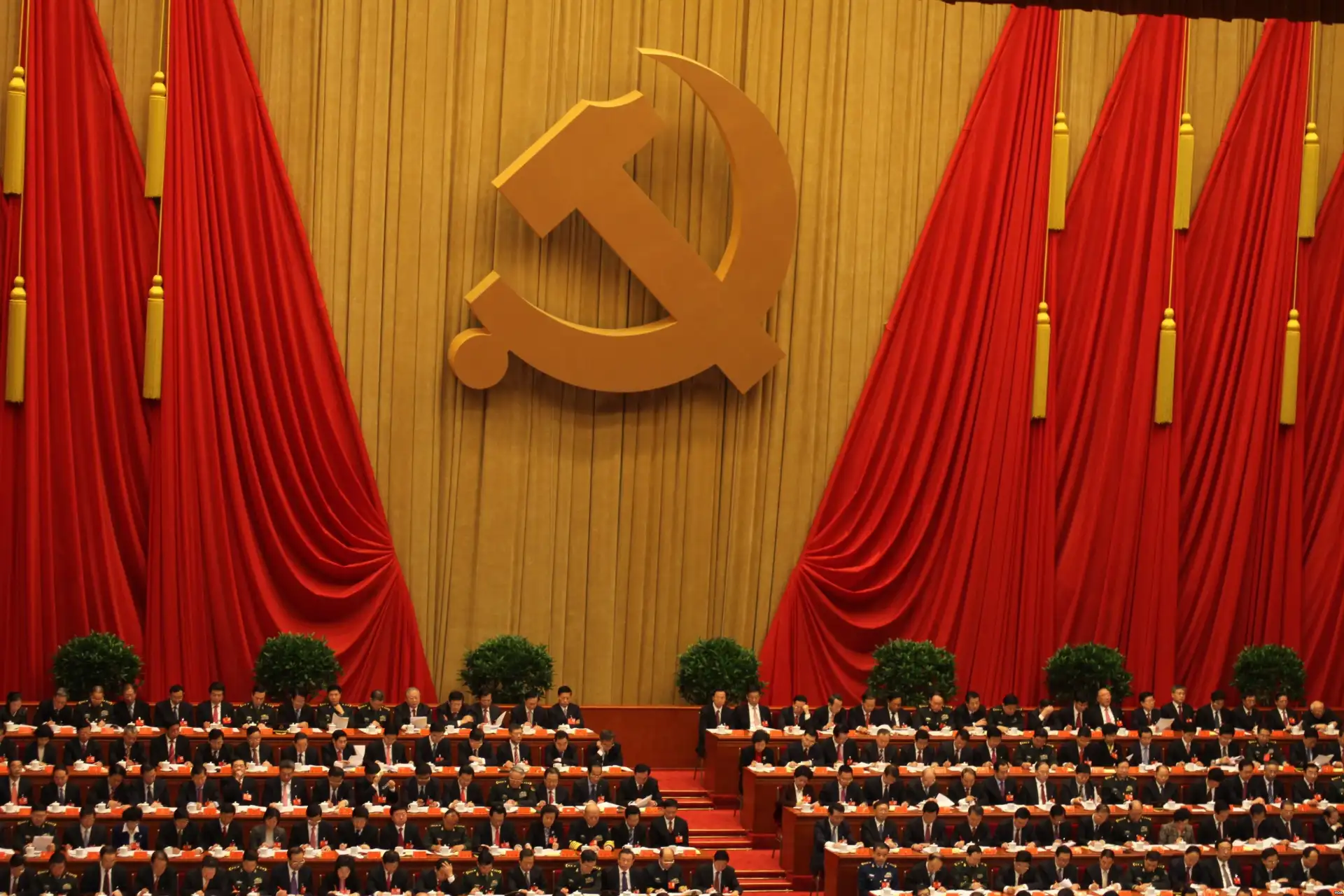
Each March brings a highly choreographed political spectacle to the Chinese capital as thousands of delegates convene for the annual Two Sessions. The concurrent meetings of the National People’s Congress and the Chinese People’s Political Consultative Conference act as an elaborate mechanism to authorise decisions already sealed by the ruling Chinese Communist party.
Amid the orderly pageantry, the premier delivers a work report that outlines economic targets and military expenditures for the year ahead. This drive towards state resilience is acutely visible as Beijing prepares its forthcoming five-year programme, covering the period from 2026 to 2030.
Senior officials have indicated a resolute focus on stimulating domestic demand while accelerating development in technologies such as nuclear fusion, quantum computing and artificial intelligence.
This technological recalibration reflects an enduring desire to reduce reliance on foreign supply chains, despite a fragile bilateral truce with the United States.
Furthermore, the meticulously managed meetings provide a curated glimpse into elite priorities at a time when Mr Xi is grappling with pronounced turbulence within the military establishment. A senior general was placed under investigation earlier this year on suspicion of corruption and disloyalty.
Authorities cancelled the customary press conference held by the premier last year without public explanation, thereby removing a rare venue for unscripted exchanges and confirming a broader retreat into opacity.
Ultimately, these gatherings function primarily as a barometer for state signalling. Once the delegates depart Beijing and the security cordons dissolve, the actual execution of these grand plans retreats swiftly behind closed doors.