From Roosevelt to World War II: How America became a global power
The American century was born out of economic collapse and global war. From the Panama Canal to Hiroshima, crisis after crisis propelled the United States into unrivalled political, military and economic dominance.
The United States entered the 20th century under the leadership of Theodore Roosevelt (1901–1909), followed by William Howard Taft (1909–1913) and Woodrow Wilson (1913–1921).
Roosevelt was the first to grasp the country’s growing international significance. He increased military expenditure, strengthened the armed forces, and positioned the United States as a decisive actor in diplomacy and global politics. Only a year after his election, he successfully faced down Britain, Italy and Germany, who had imposed a naval blockade on Venezuela to collect unpaid debts.
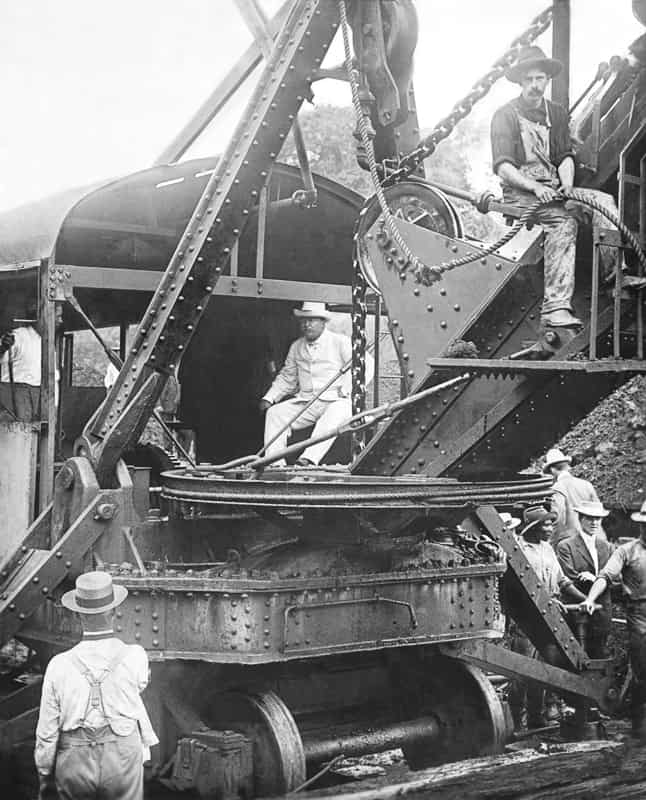
Roosevelt also secured American control over the construction of the Panama Canal, a vital project leased to the United States until the early 21st century.
It was Woodrow Wilson, however, who carried the far heavier burden of World War I. Although he sought to maintain neutrality, Germany’s repeated attacks on American merchant vessels made US entry into the war inevitable. By the time Wilson declared war in 1917, many American lives had already been lost.
The United States’ contribution proved crucial to the Allied victory, and Wilson emerged as a central figure at the Paris Peace Conference in 1919. With Germany compelled to sign the Treaty of Versailles in June and Austria the Treaty of Saint-Germain in September, Europe’s post-war order began to take shape.
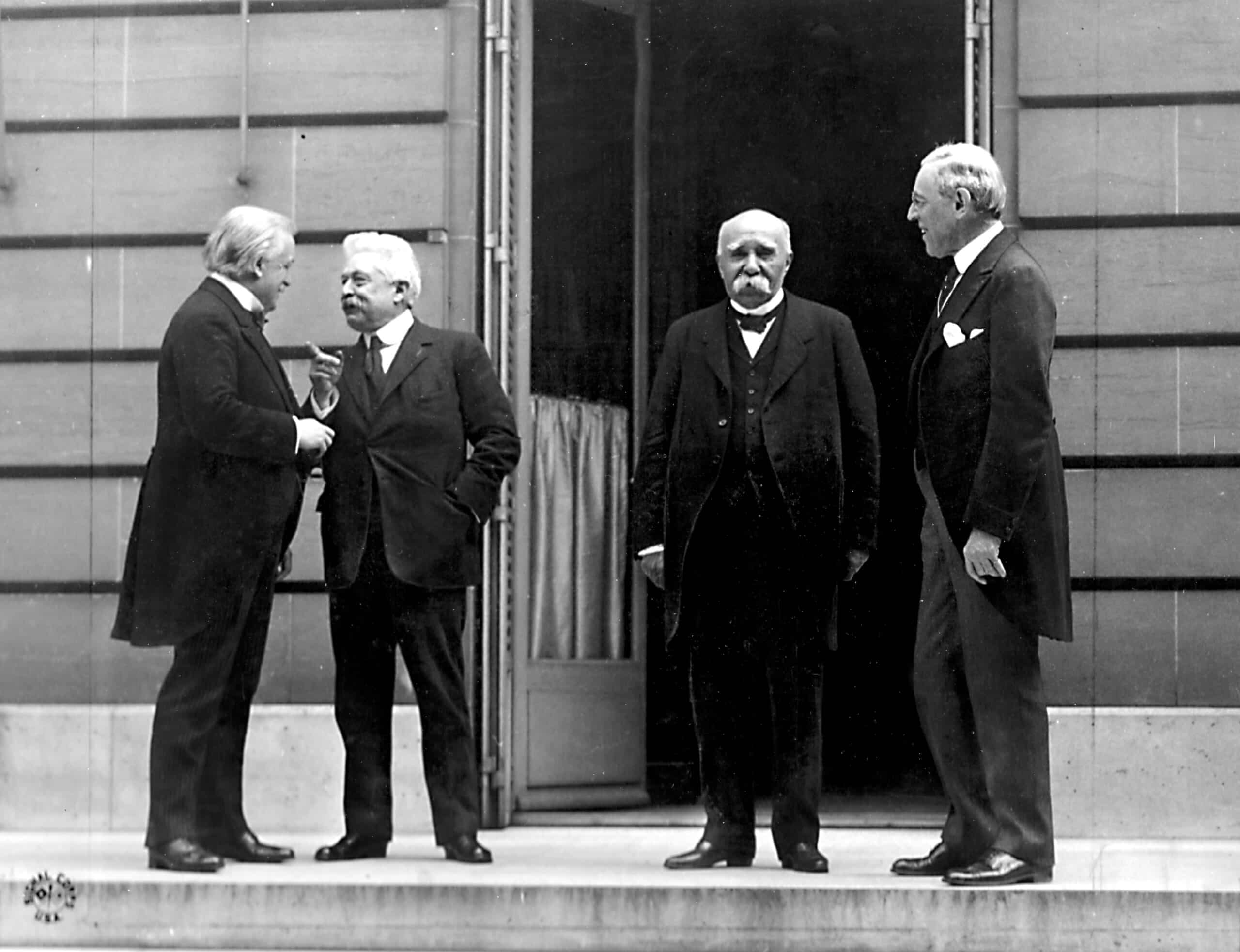
Yet the peace was deeply flawed. The Allied leaders adopted a punitive stance, demanding excessive reparations and inflicting economic, political, and—most dangerously, moral wounds on Germany.
Wilson prophetically sensed the long-term consequences and proposed his Fourteen Points as the basis for a fair and durable settlement. His warnings were largely ignored, leaving Europe on unstable ground.
Following the war, the United States experienced a remarkable period of economic growth and rising living standards. The exuberant 1920s ushered in an age of prosperity and glamorous excess—nightclubs, lavish parties and a culture of carefree enjoyment.
Despite Prohibition, alcohol flowed freely behind closed doors. As so often happens when a society feels untouchably successful, disaster struck.
In 1929 the stock market crashed, wiping out fortunes overnight. Shockingly, several devastated businessmen took their own lives by leaping from New York skyscrapers in the heart of Wall Street. What followed was the Great Depression of the 1930s.
During the 1920s, many inexperienced and hopeful investors had bought stocks on margin. When the market collapsed, thousands were ruined. The banking system soon followed: countless Americans who had prudently deposited their life savings lost everything in an instant. Unemployment soared, and by 1933 more than 13 million people were out of work.
In this bleak climate, Democrat Franklin D. Roosevelt assumed the presidency. Determined to restore stability and hope, he launched the New Deal—a sweeping programme designed to revive the economy and relieve suffering.
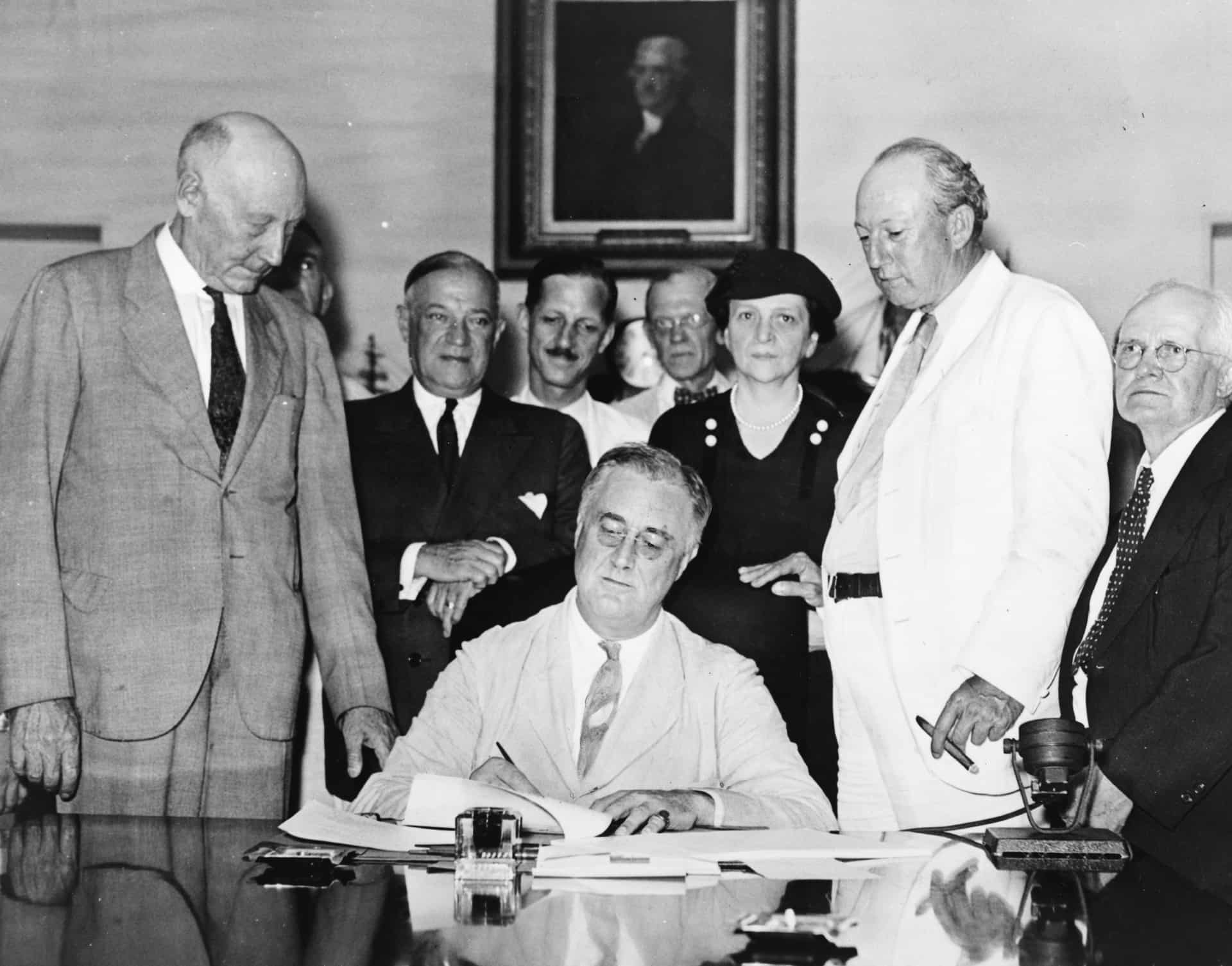
Government intervention increased dramatically: the stock market and banking sectors came under strict regulation; loans and favourable repayment terms were offered to industries; massive public-works projects created employment; and rural communities received targeted support through innovative relief schemes.
Roosevelt’s initiatives sparked a gradual recovery, yet by the mid-1940s the United States, like the rest of the world, faced an even greater challenge: the outbreak of the Second World War.
The conflict erupted after a chain of aggressive moves by Nazi Germany. Hitler annexed Austria in 1938 and invaded Poland in 1939, prompting Britain and France to declare war.
German forces then swept across Europe, occupying Belgium and, soon after, France. Italy entered the conflict in June 1940, aligning with Germany. That same summer, Germany attempted to invade Britain, but the Royal Air Force repelled the assault during the Battle of Britain in October. The United States entered the war after Japan’s attack on Pearl Harbor in December 1941.
In the same year, Germany and Italy invaded the Soviet Union, only to be halted by the brutal Russian winter, which claimed tens of thousands of lives. The Allies gradually regained the initiative, invading Italy in 1943 and Normandy in 1944.
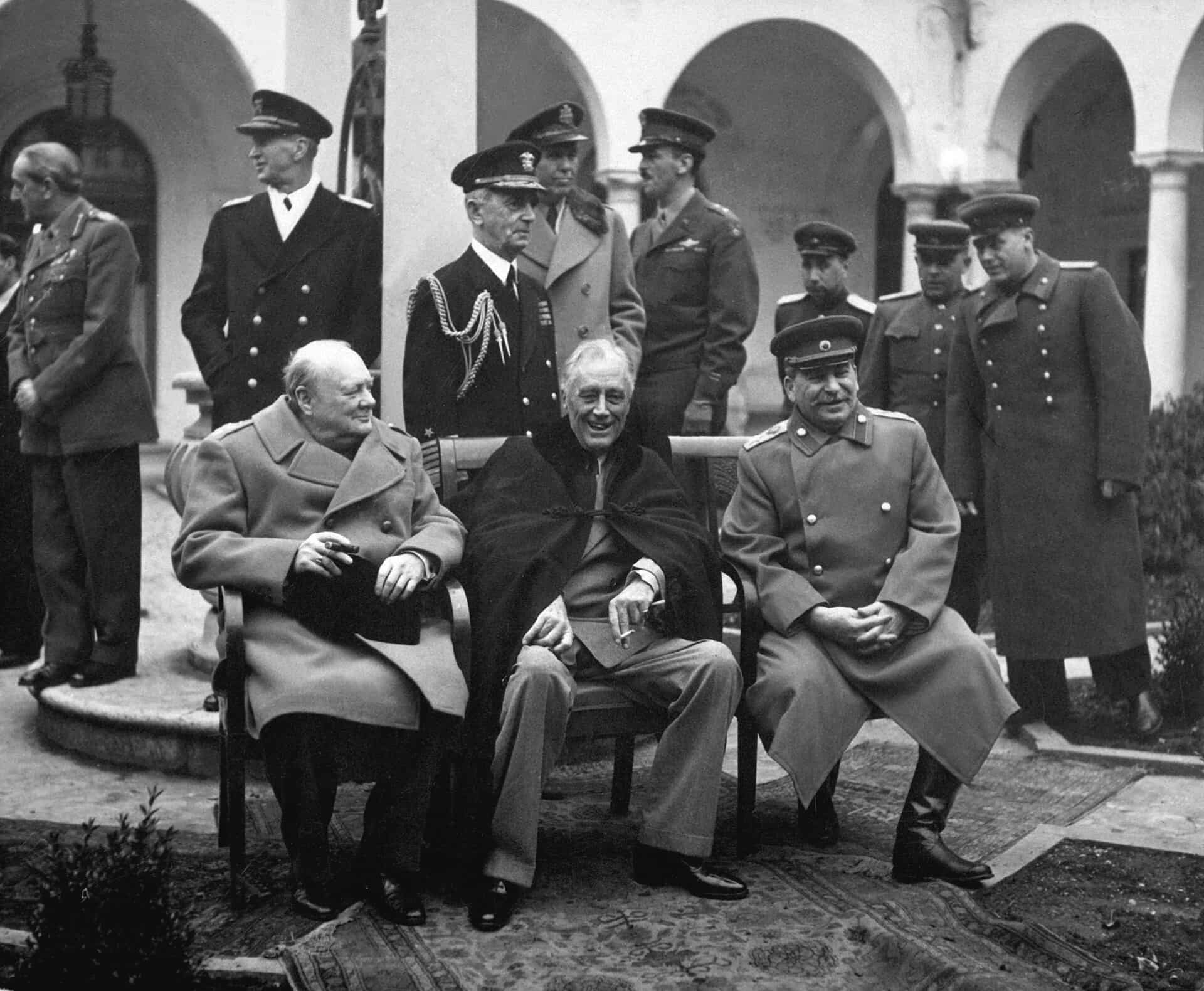
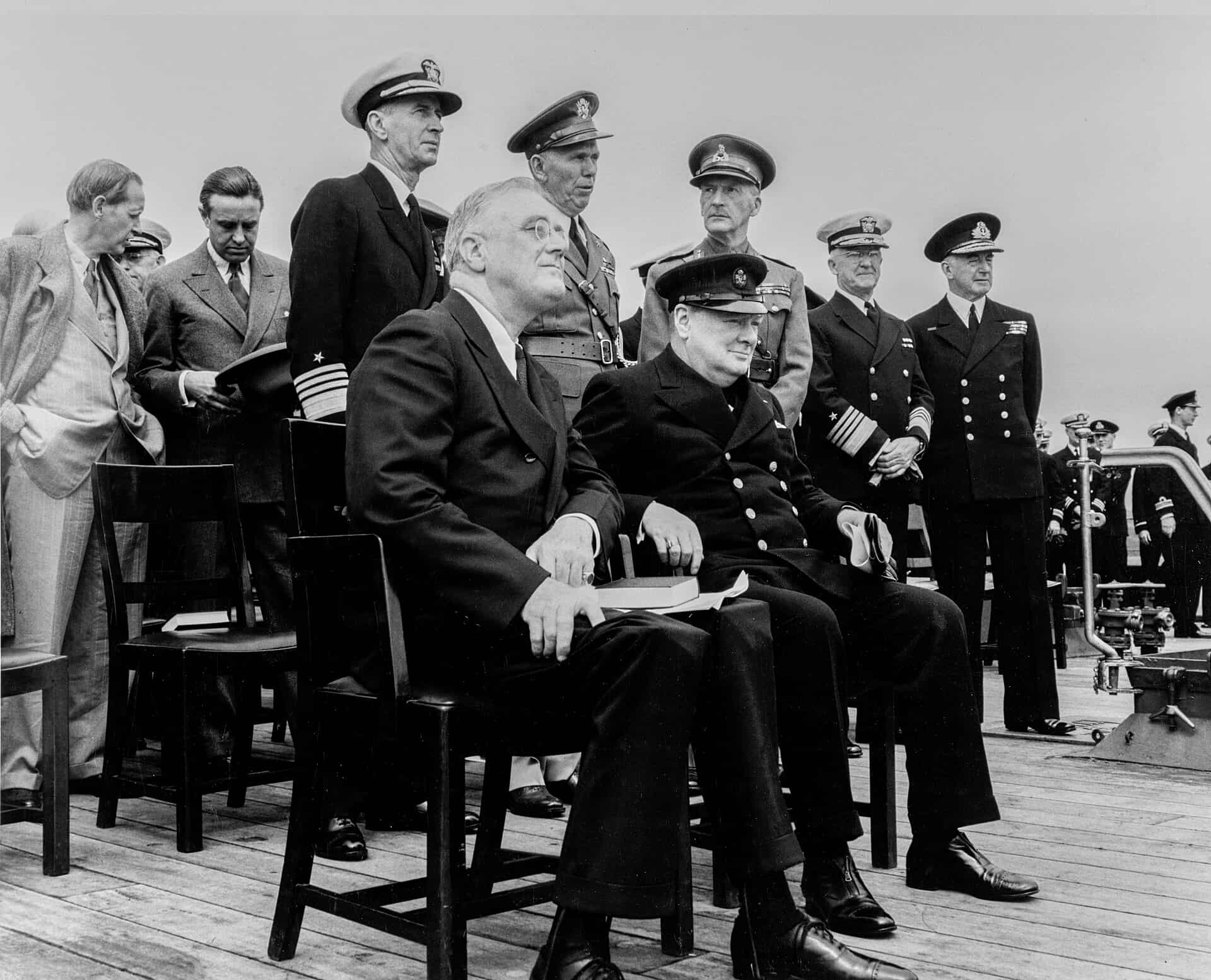
In February 1945, Churchill, Roosevelt and Stalin met at Yalta to map out the post-war world. Victory in Europe came in May, while Japan surrendered only after the catastrophic atomic bombings of Hiroshima and Nagasaki.
The Second World War was one of humanity’s darkest chapters. More than 55 million people lost their lives. The Holocaust alone claimed over six million Jewish victims, and the atomic bombings killed hundreds of thousands of civilians in Japan. Despite these staggering losses, the United States emerged from the war as the world’s leading economic and military power.


Greenland is no small price for Europe to learn the empire has no allies, only assets
Trump's Venezuelan coup that no one dares to condemn
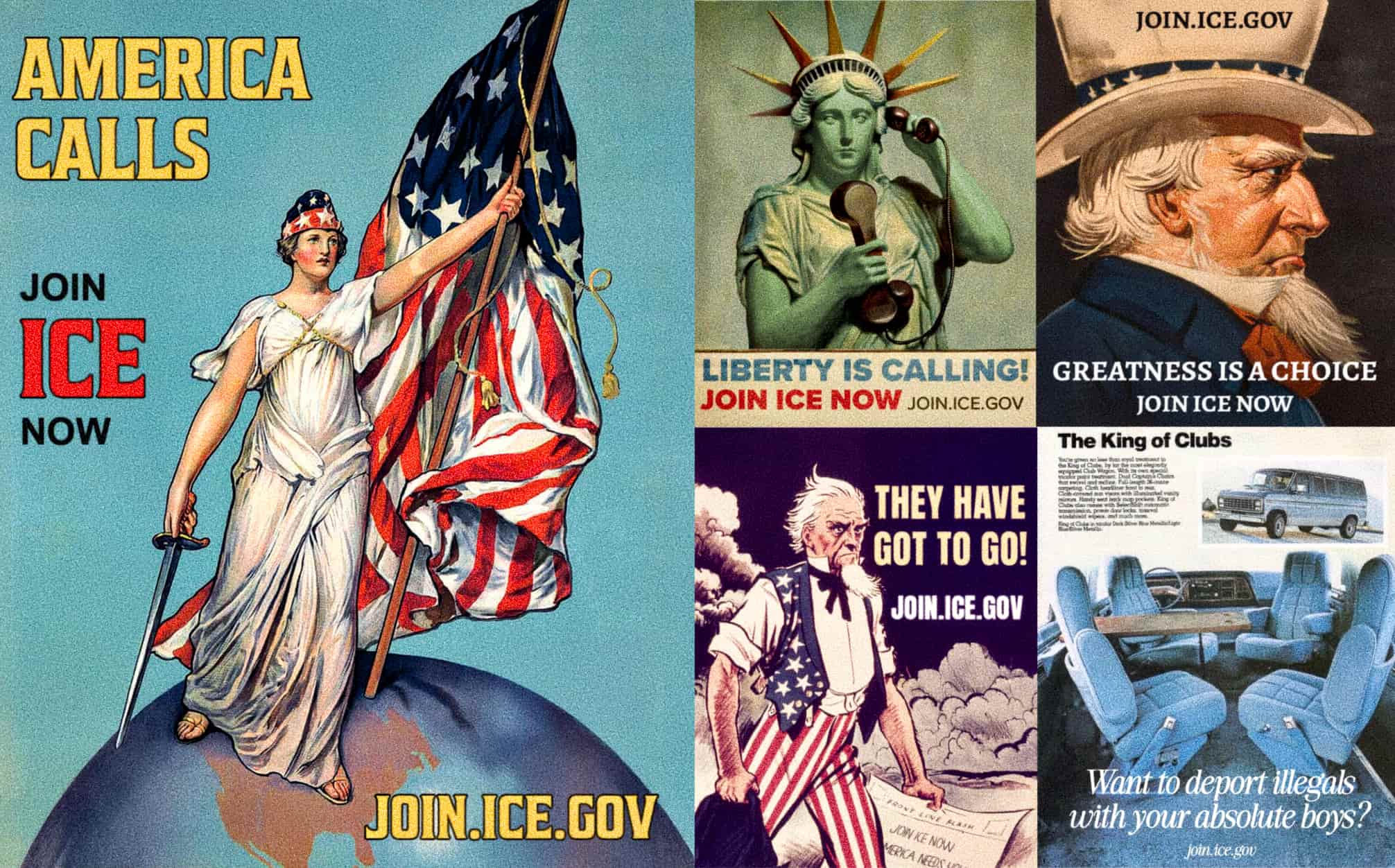
A domestic army in pictures: Inside the far-right art of ICE's recruitment ads
They called him 'Osama bin Mamdani'. New York called him mayor

'The world loses a Dick': Cheney's obituary
Art, music and leisure: American creativity in the early twentieth century