
Entire dissertations have been devoted to reforming the United Nations Security Council, yet little progress has been made. The Permanent Five members of the Council remain motivated to protect their shared hegemony, demonstrating limited interest in meaningful reform.
This reality raises several important questions. Should the Security Council be expanded to include additional members drawn from the General Assembly in order to better reflect the multipolar realities of the post–Cold War world? Could the hegemony of the Permanent Five be eliminated altogether and replaced with an alternative body capable of superseding the veto power of each permanent member?
Perhaps the greatest obstacle to Security Council reform lies in its dependence on hard state power. The imperatives of state-centered foreign policy continue to take priority over broader ambitions of peace and stability in an increasingly fragmented international system marked by geopolitical uncertainty.
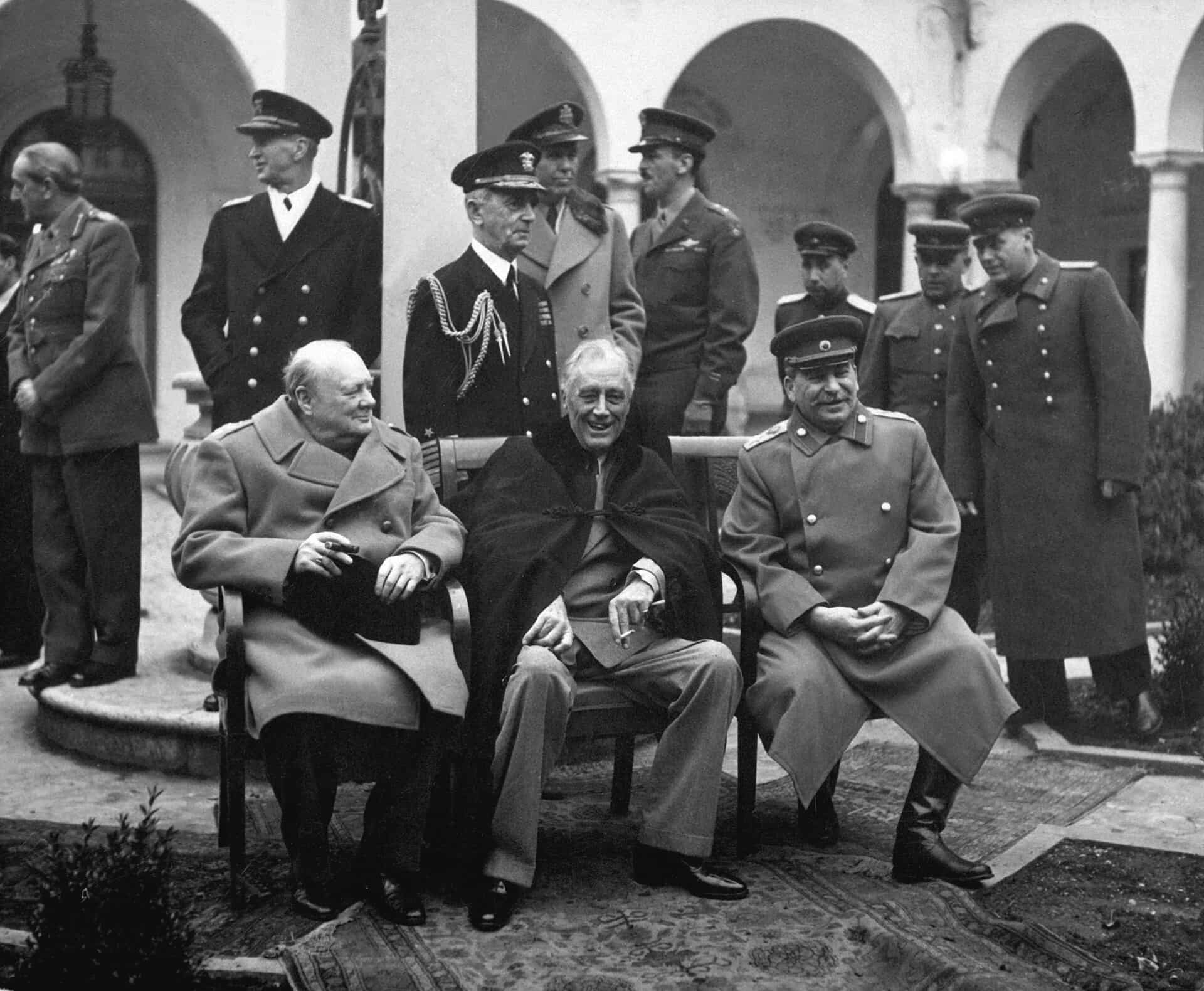
The legacy of the Security Council itself remains deeply rooted in the Cold War. This becomes clear when examining how each permanent member secured its role as a guarantor of international peace and security, and the historical processes that followed. The Council’s structure is inseparable from the “New World Order” established at the end of the Second World War. Yet the institutional mechanics created for that moment now appear increasingly obsolete, having been designed for a geopolitical landscape that no longer exists.
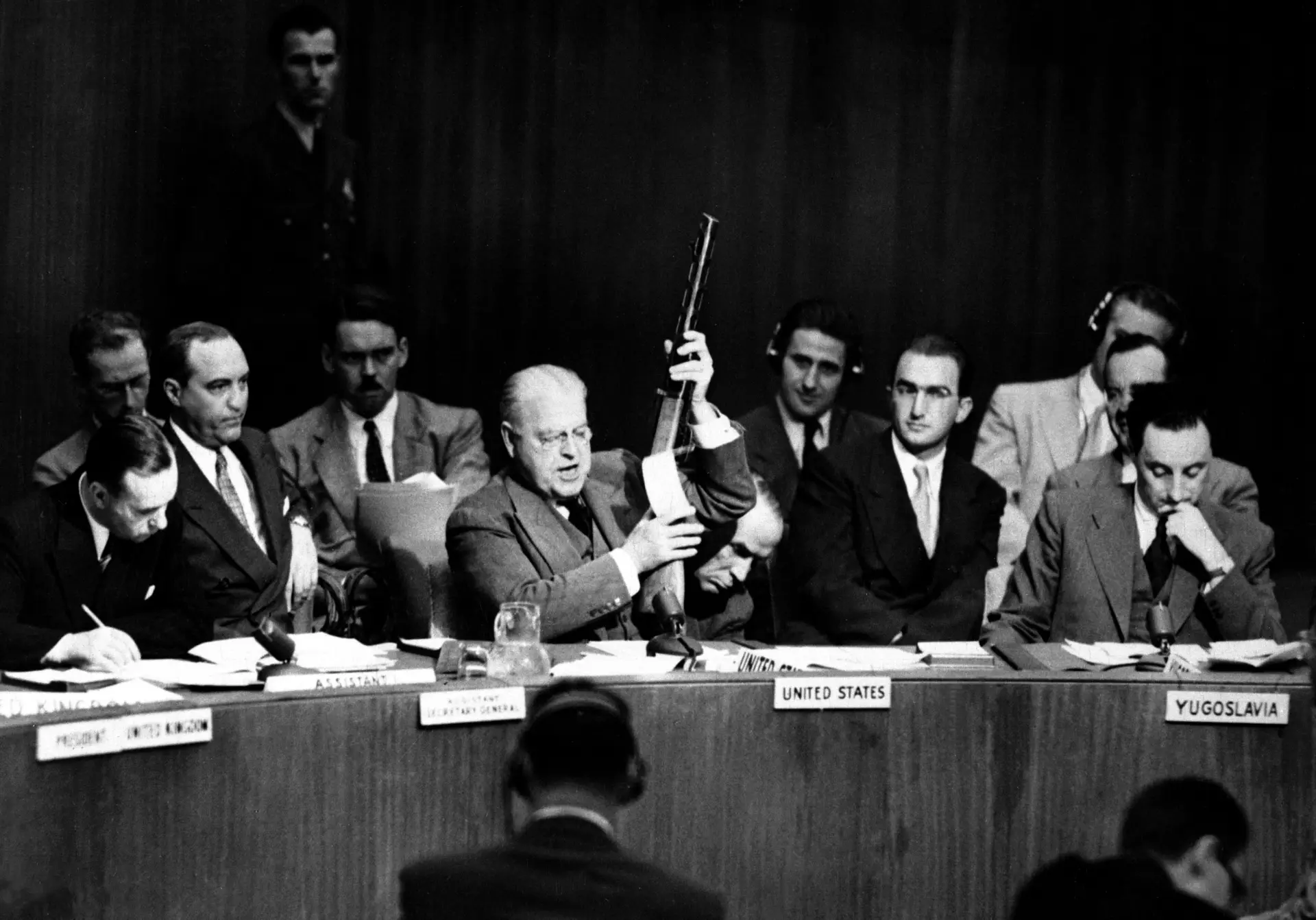
Few would dispute that the hegemony exercised by the Security Council has constrained the wider United Nations. Competing foreign policy objectives among the Permanent Five have repeatedly limited the organization’s capacity to prevent wars, halt genocides, and lead meaningful campaigns to dismantle weapons of mass destruction.
Does this imply that the Security Council itself is fundamentally undemocratic? Despite being the most powerful body within the United Nations, its structure concentrates authority in the hands of a small group of powerful states. In effect, the world’s foremost supranational organization can appear bound by the dictates of a handful of nations whose influence rests on geopolitical dominance. By this logic, the United Nations can be seen as constrained by its own architecture—an institution whose contradictory design has undermined its broader mission.
The passage of United Nations General Assembly Resolution 71/258, which proposed the Treaty on the Prohibition of Nuclear Weapons, offers a clear illustration of this dilemma. In 2017, 122 of the UN’s 193 member states voted to become parties to the treaty. Yet the Permanent Five appeared largely unfazed by the initiative. Their response reflected the enduring logic of realpolitik, where nuclear power remains closely tied to global status and where veto authority symbolizes the limits of international consensus.
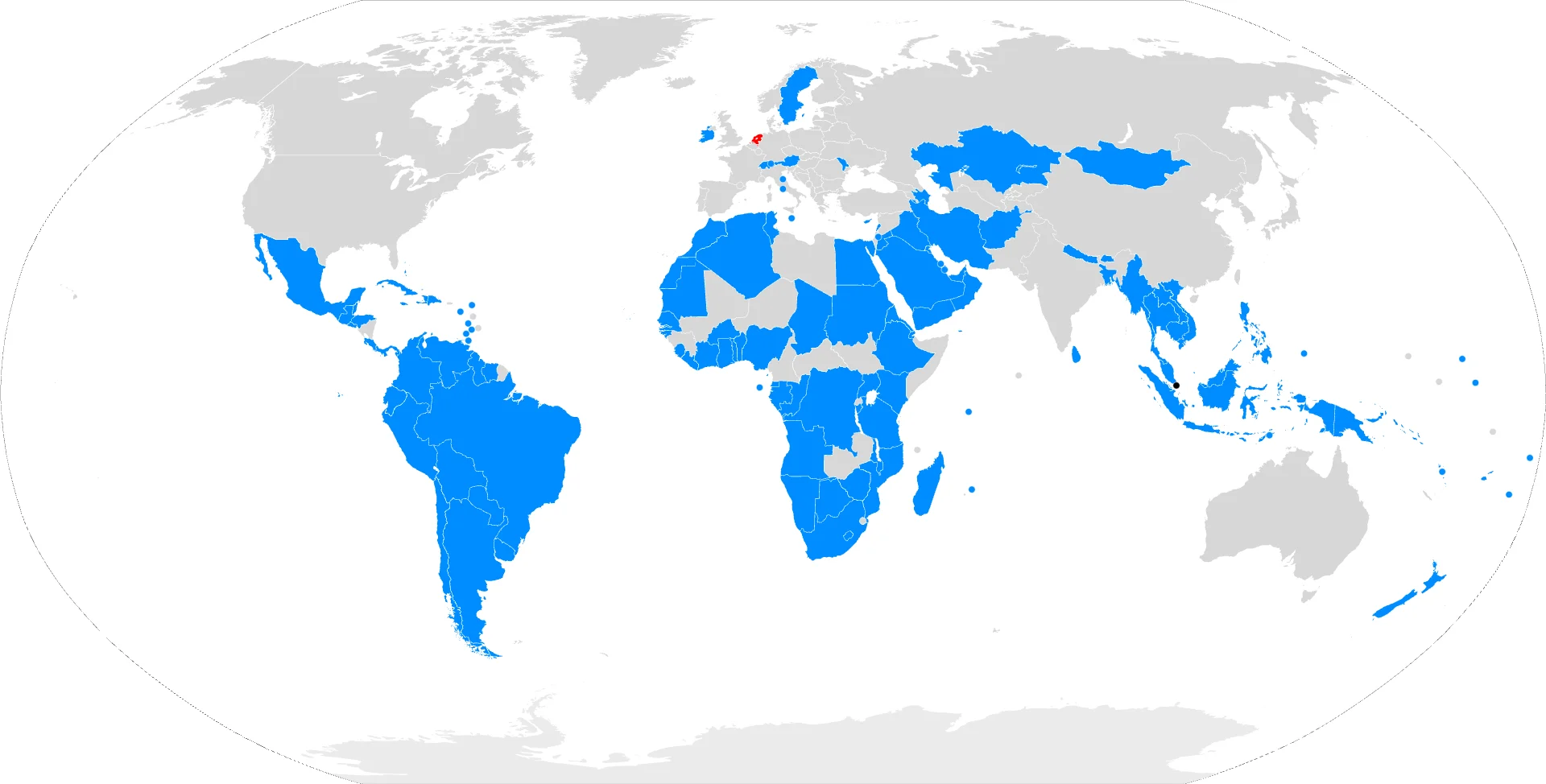
Rather than supporting the treaty, the Permanent Five collectively boycotted the vote when the treaty was adopted on July 7, 2017. In other words, the states whose participation mattered most declined to engage with the proposal for nuclear disarmament—whether conditionally or otherwise. The question that follows is unavoidable: was such an outcome inevitable?
Despite the overwhelming support for Resolution 71/258 in the General Assembly, the Federation of American Scientists has reported that the total number of nuclear warheads worldwide has increased by several hundred since its passage, even as the United States and Russia have modestly reduced portions of their stockpiles. As long as nuclear weapons remain a marker of superpower status, emerging regional powers aspiring to that status will continue to pursue nuclear arsenals of their own.
These developments raise further questions regarding nuclear disarmament. Have more nuclear weapons been dismantled or manufactured since 2017? Has the overall balance between reduction and expansion simply evened out? To what extent does Resolution 71/258 outline mechanisms capable of preventing the creation of new nuclear arsenals, particularly with oversight from the Permanent Five? And do current figures merely represent symbolic progress, while nuclear weapons technology itself becomes more advanced and destructive?
Nuclear disarmament, in this sense, is inseparable from the question of Security Council reform. In a multipolar world characterized by competing ambitions for power and unilateral action, meaningful reform would need to address the veto power of the Permanent Five while linking that authority to commitments on nuclear disarmament. At present, non-permanent members of the Security Council function largely as regional representatives without veto authority and with limited influence over major strategic decisions.
From this perspective, several hypothetical possibilities emerge as thought experiments for reform.
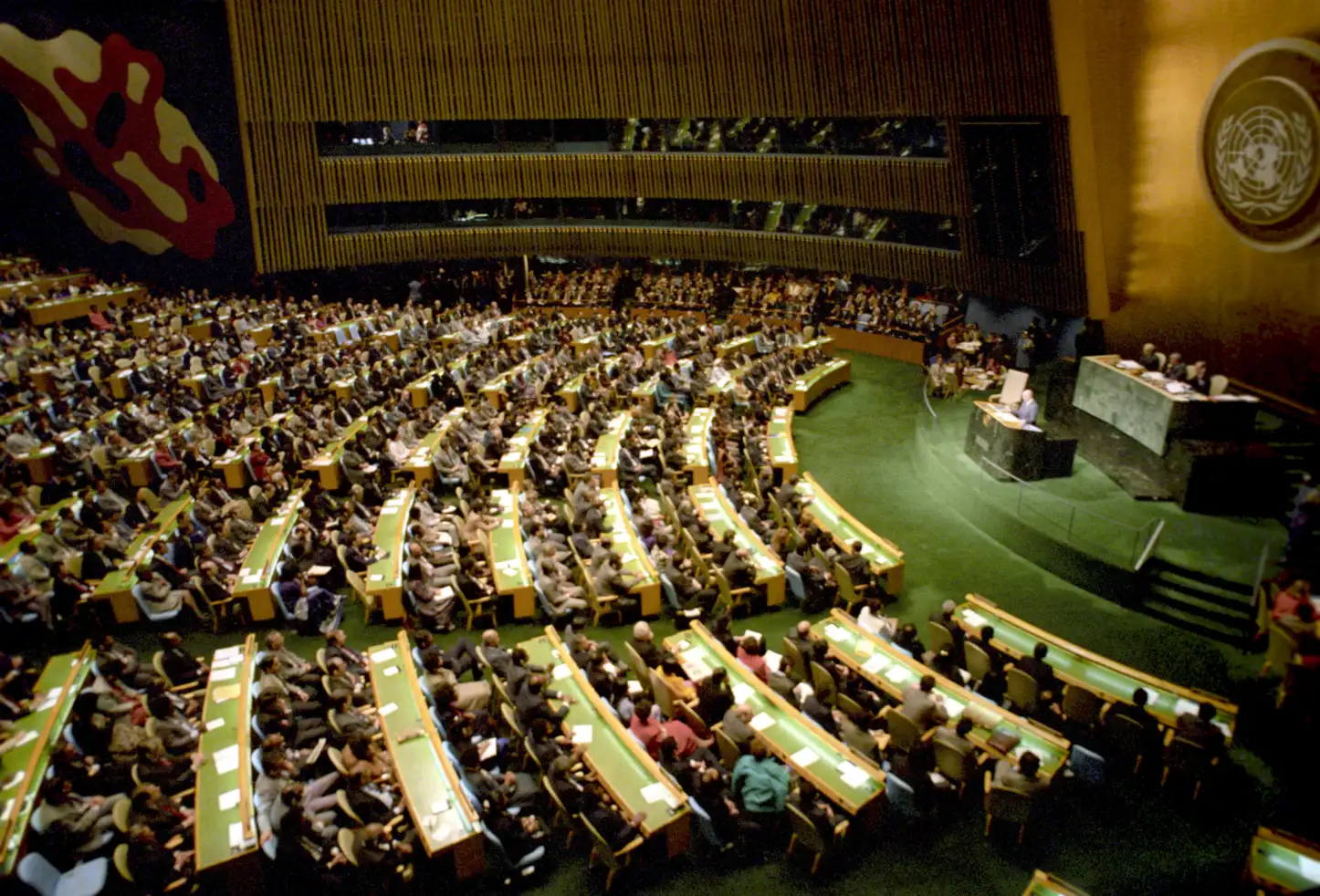
What if the General Assembly itself held a seat on the Security Council as a permanent member, with veto power equal to that of the Permanent Five?
What if the Security Council were mandated to oversee the annual dismantling of a minimum number of nuclear warheads among the historical permanent members, under binding supranational directives?
Introducing the General Assembly as a sixth permanent member could reintroduce a system of checks and balances while strengthening transparency within the Council’s decision-making process. The broader objective would be to limit unilateralism and prevent hegemonic interests from undermining the United Nations’ core mission: enabling binding supranational action capable of reducing—and ultimately eliminating—the threat of nuclear weapons.
Such a reform could also reflect the commitment of the Global South to Resolution 71/258, without being constrained by the nationalism and geopolitical opportunism that often shape the behavior of powerful state actors.
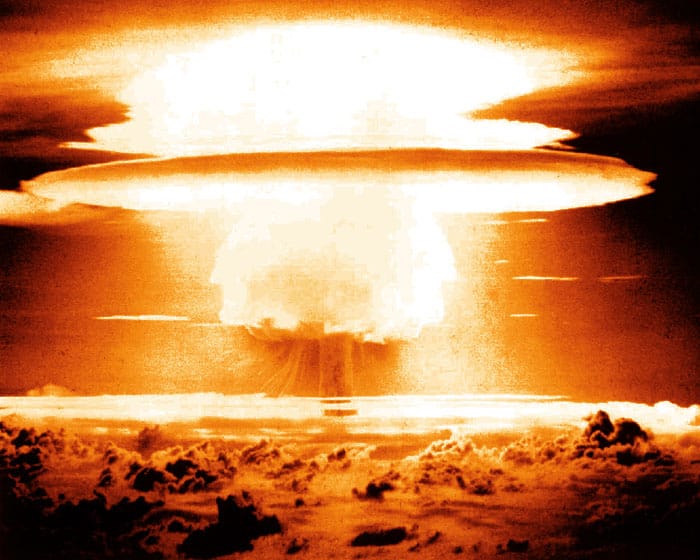
The historical warnings of scientists such as Albert Einstein and Robert Oppenheimer underscore the urgency of this challenge. Both men expressed profound regret after witnessing the destructive power of nuclear weapons and advocated forms of supranational authority capable of restraining the unilateral decisions of states that might otherwise lead the world toward nuclear catastrophe.
Radically restructuring the United Nations Security Council would be an ambitious undertaking. Yet meaningful reform from within the institution may ultimately be the only path toward a more effective and credible system of global governance.

World federalism is the key to ending functional illiteracy and reviving civilisation

Beyond Trumpian Flirtations with Total Denuclearization
Revitalising Global Engagement: The Case for a United Nations Peace Corps
Redefining Peacekeeping: The Case for a United Nations Corps of Peacekeeping Engineers

Rethinking Nuclear Deterrence: Geopolitical Bravado or Our Obligation Towards Peace?
Bots for a Demining Peace Initiative: The Path Towards a World Free of Landmines