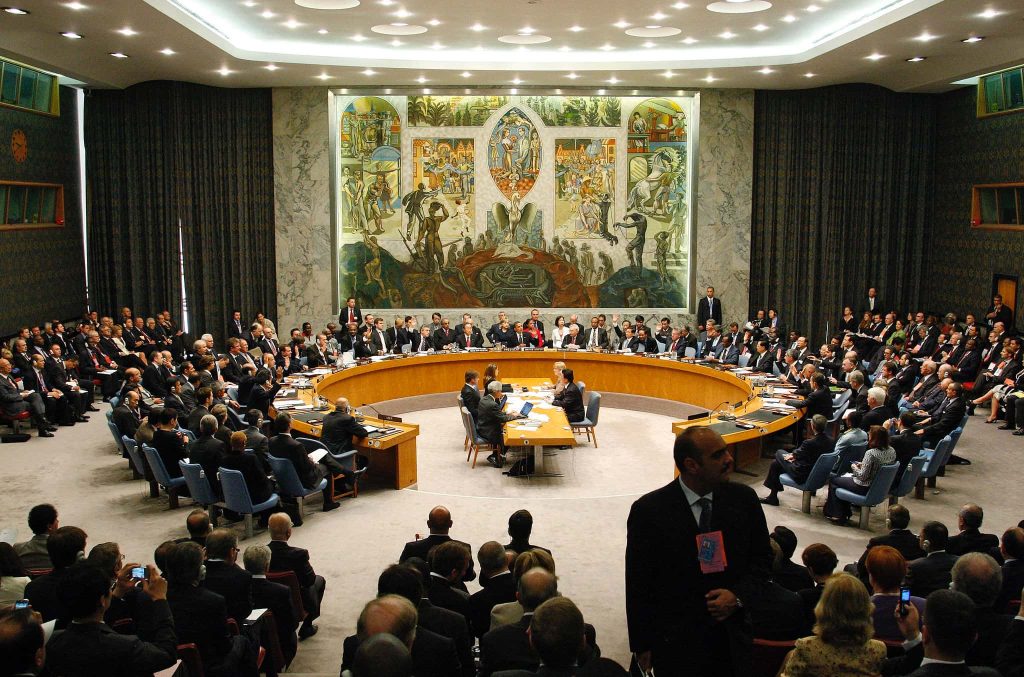

The Security Council is holding the United Nations hostage
Designed for a world that no longer exists, the UN Security Council entrenches unilateralism and shields nuclear powers from accountability. Without curbing veto power and elevating the General Assembly, collective security remains unattainable.
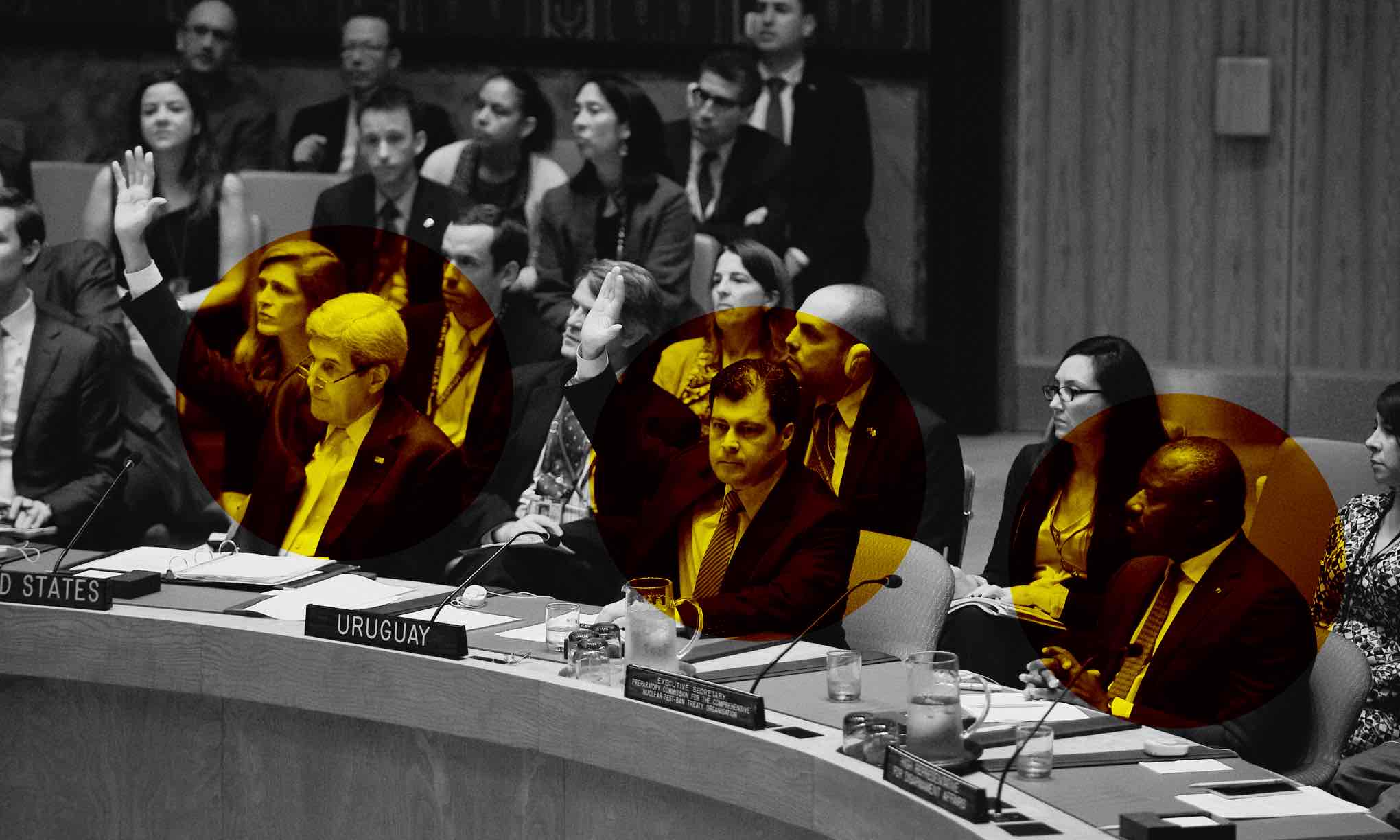
Entire dissertations have been devoted to reforming the United Nations Security Council with little to no success. The Permanent Five members of the Security Council are motivated to protect their shared hegemony, showing uninspired interest in genuine reform.
The basis of that realization evokes several questions:
Should the Security Council be expanded to include more baseline members from the General Assembly to better reflect the multipolar nature of the world’s post-Cold War realities?
Can the hegemony of the Permanent Five be eliminated altogether and replaced with an alternate body designed to supersede the veto power of each permanent member?
Perhaps the greatest hindrance found when exploring Security Council Reform is had in its dependency on hard state power. High imperatives of state-centered foreign policy assume priority over lofty goals of subsidiarity in securing and in most cases, restoring peace and stability in an increasingly fragmented world consumed by geopolitical precarity.
It is no secret, the legacy of the Security Council remains very much a leftover relic of the Cold War. This is most evidenced when each permanent member is scrutinized for how they cemented their position as a guarantor of international peace and security combined with the natural processes that followed. The legacy of the Security Council is undeniably attached to the New World Order forged at the end of World War Two. It is for that reason why the “existential mechanics” of the Security Council are now functionally obsolete considering how it was geopolitically engineered for a world that no longer exists.
Few can argue the hegemony imposed on the rest of the United Nations by the Security Council is the main reason why the organization has been hamstrung by competing foreign policy objectives of each permanent member minimizing the ability of the United Nations to prevent war, stop genocides, and lead campaigns to decommission and destroy weapons of mass destruction.
Is this to imply the Security Council is undemocratic in nature as the most powerful body of the United Nations reducing the world’s foremost supranational body to the dictates and decrees of a small group of powerful nations that thrive on hegemony? It is as if the United Nations itself is held hostage by its own flawed architecture where it can be reasonably argued that as a supranational organization, it has failed by contradictory design.
The passage of UN General Assembly Resolution 71/258 proposing the Treaty on the Prohibition of Nuclear Weapons where 122 out of 193 member states voted to become parties to the treaty is most indicative of such failure. In response, the Permanent Five seemed largely unfazed and unmoved by the treaty. This was primarily reaffirmed by hard nuclear power under the unforgiving rubric of realpolitik where veto power is emblematic of a world denied. They simply boycotted the treaty via their shared commitment to unilateralism in all of its hegemony.
It therefore goes without saying; each permanent member refused to recognize the call to nuclear disarmament by simply not participating when the treaty was put to vote on July 7th, 2017 in the General Assembly. Ironically, the nations that mattered most did not show or voice any conditional support for the treaty. Was this outcome inevitable?
Despite the overwhelming show of support and passage of Resolution 71/258 at the General Assembly, the Federation of American Scientists reported the status of the world’s nuclear forces has increased by several hundred warheads despite minor reductions in stockpiles held by the United States and Russia. As long as possession of nuclear weaponry remains a determinant of world superpower status, emerging regional powers determined to acquire superpower status will exercise aspirations for and demand their own nuclear arsenals.
These realizations raise more questions on nuclear disarmament:
Have more nuclear weapons been dismantled or manufactured since 2017 or has the comparative quantity between both evened?
What part of Resolution 71/258 defines methodologies to effectively deny and limit the creation of new nuclear arsenals concertedly with oversight provided by the Permanent Five?
Do such figures exemplify token progress made in the name of nuclear disarmament as the development of nuclear weapons technology becomes deadlier and more efficient?
Nuclear disarmament is inextricably linked to reform of the United Nations Security Council. To better fend off competing appetites for unilateralism and hegemony in a multipolar world, reform must be centered on veto power contingent on nuclear disarmament. Non-permanent members of the Security Council are little more than regional powers with observer status with no veto power.
From here, we can indulge some propositional what ifs for purposes of maximizing Security Council Reform:
What if the General Assembly itself had a seat at the Security Council as a permanent member with the same veto power as the Permanent Five?
What if vetoing was made anonymous by official Security Council policy for purposes of disarming and overcoming traditional vetoing as currently practiced by the Permanent Five to achieve genuine policy reform?
What if the Security Council was tasked to disarm and dismantle a minimum number of nuclear warheads annually among historic Permanent Five members under binding supranational directive?
Introducing the General Assembly as a Sixth Permanent Member reintroduces checks and balances as a device of maximum transparency. The big picture idea would be designed to deny unilateralism and hegemony from corrupting the overarching mission of the United Nations to achieve binding supranational action while liberating the world from nuclear weapons.
The embodiment of the General Assembly as a Permanent Security Council Member testifies to the Global South’s commitment to Resolution 71/258 without the trappings and inefficiencies of opportune nationalism among current and would be authoritarian and totalitarian state actors.
From Albert Einstein to Robert Oppenheimer, the originators of atomic warfare were met with instant regret after witnessing the great destructive power of nuclear weapons. Both saw supranational subsidiarity as a practical necessity to deny runaway foreign policies of belligerent state actors from igniting world nuclear war.
By radically restructuring the United Nations Security Council from within, practicable reform will prove possible.

World Peace Now Secure: Fugitive War Criminal Assumes UN Peacekeeping Chief Role
Abstaining in the face of war

Security Council Arria-Formula meeting on Myanmar
UN peacekeeping missions have betrayed their humanitarian mandate to become the armed enforcers of foreign resource extraction
A world of paper promises: The betrayal of women from Gaza to Sudan

Five nations, one failure: The Security Council's deadly indifference to hunger