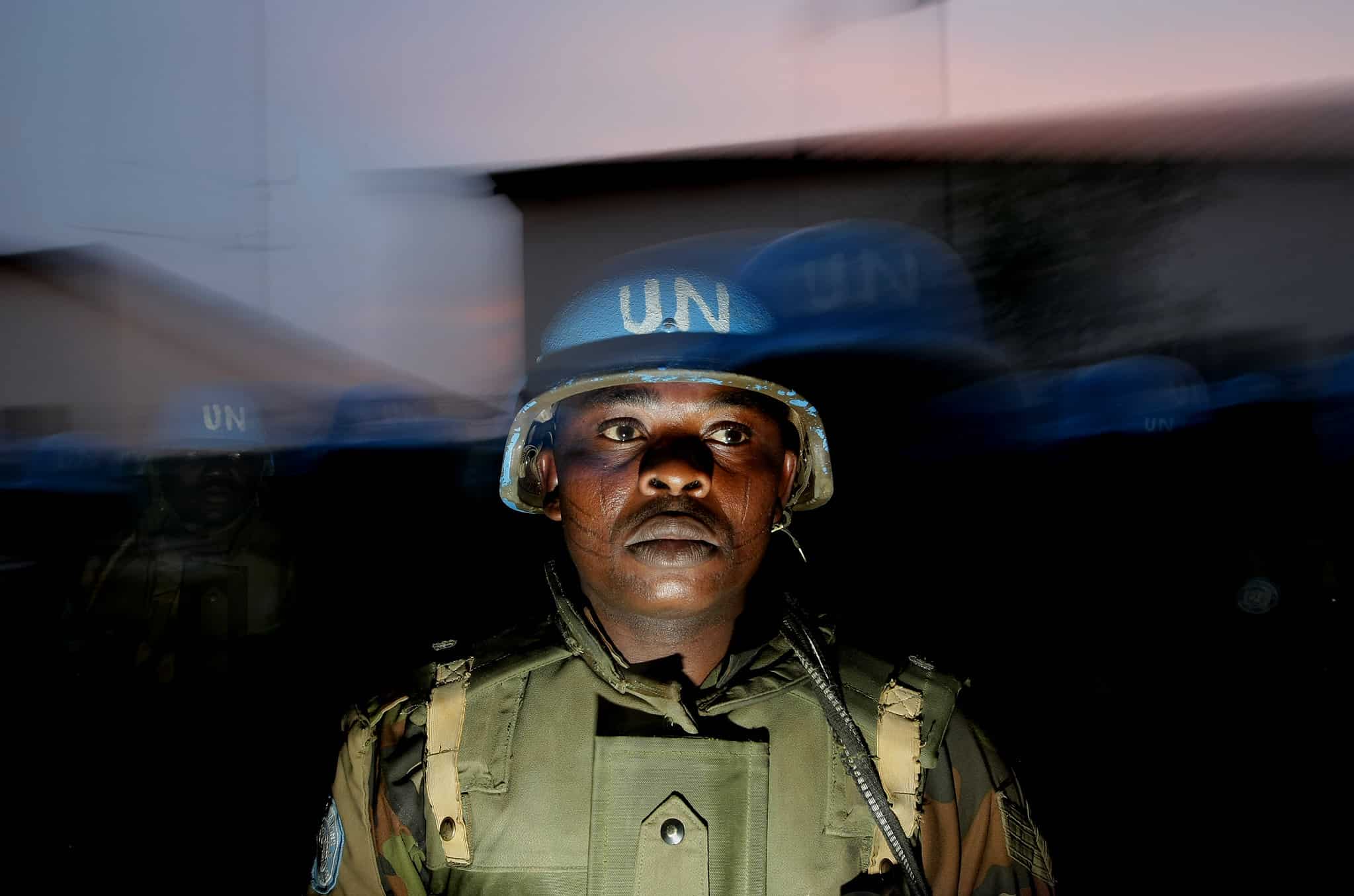

UN peacekeeping missions have betrayed their humanitarian mandate to become the armed enforcers of foreign resource extraction
Behind the veneer of impartiality, blue helmets in the DRC and Haiti have enabled the plunder of cobalt and gold while inflicting cholera and abuse on the populations they claim to save.
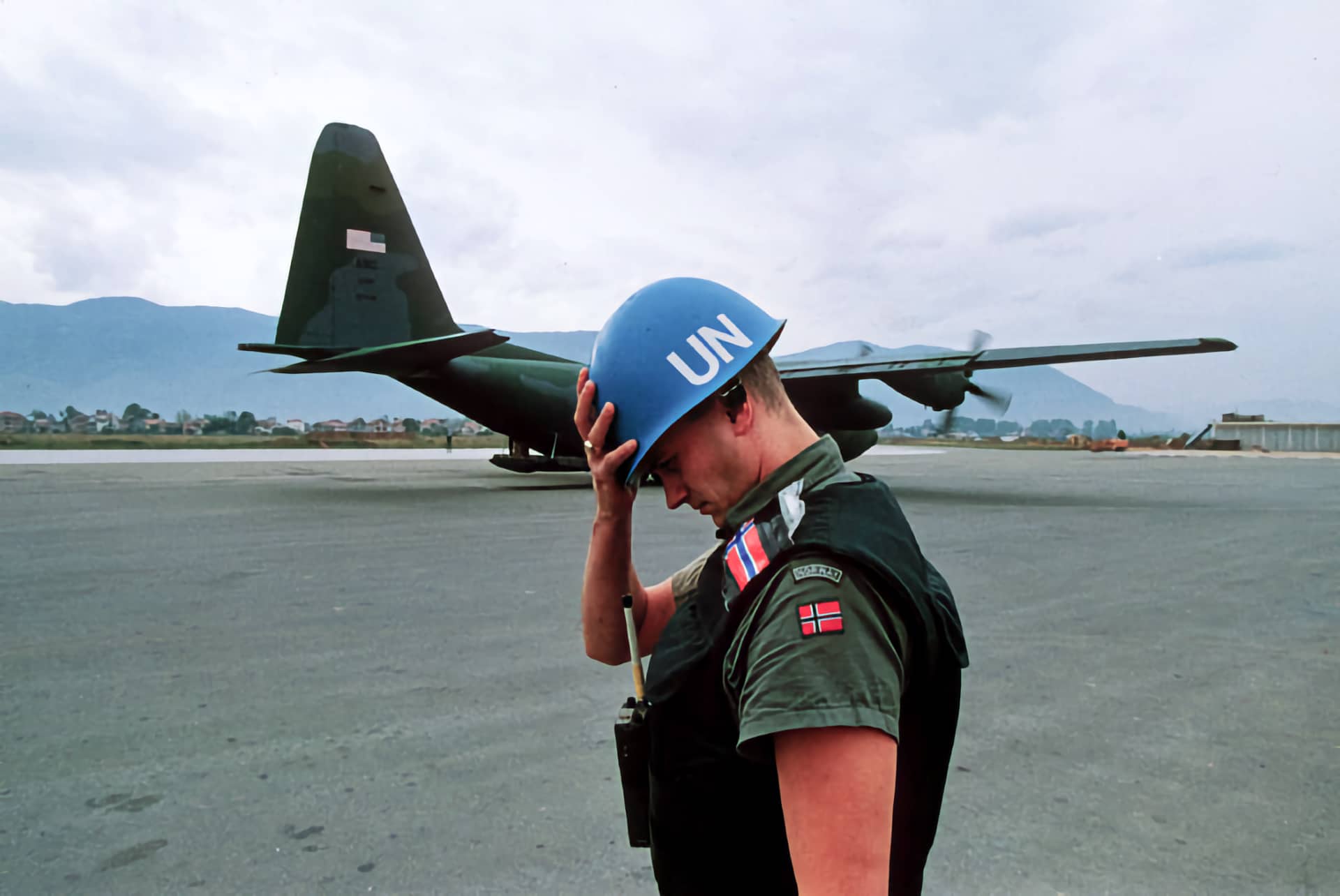
Blue Helmets, Broken Promises
For decades, the United Nations has presented its peacekeepers as impartial guardians of stability, blue helmets standing between chaos and calm. But in two of the world’s most fragile states, the Democratic Republic of Congo and Haiti, that image has collapsed. Behind the language of humanitarianism lies a far darker reality, one in which peacekeeping missions have enabled foreign resource extraction, suppressed dissent and left behind legacies of disease, violence and abuse.
Congo: minerals, misery and MONUSCO’s shadow
Congo is a study in contradiction, a country of immense natural wealth alongside extreme human suffering. Beneath its soil lies an estimated $24tn worth of minerals, including cobalt and coltan, both essential to smartphones, batteries and electric cars. Yet this abundance has fuelled decades of conflict, with millions killed in wars driven by control of those resources.
The UN’s MONUSCO mission, deployed to stabilise the country, has long been accused of failing to confront the networks that profit from chaos. Armed groups such as M23 are alleged to have moved between $5bn and $10bn worth of minerals each year through smuggling routes that ultimately feed global supply chains, while civilians bear the cost in displacement, violence and death. As the Congolese gynaecologist and Nobel peace prize laureate Denis Mukwege has repeatedly warned, more than six million people have died since 1996 in what he describes as the deadliest conflict since the second world war, even as the minerals continue to flow.
By mid-2022, public anger erupted. In cities such as Goma and Beni, protesters stormed UN compounds and blocked MONUSCO convoys, chanting “MONUSCO must go”. For many Congolese, peacekeepers had come to symbolise complicity rather than protection.
Haiti: cholera, gold and broken promises
Haiti’s experience with UN peacekeeping is no less devastating. After the 2004 removal of President Jean-Bertrand Aristide, a vocal opponent of foreign mining interests, the UN deployed the MINUSTAH mission under the banner of restoring order. What followed was a succession of crises that further eroded public trust.
Cholera was introduced by UN troops, sparking an epidemic that killed more than 10,000 people. Allegations of sexual abuse by peacekeepers surfaced repeatedly, alongside reports of violent crackdowns on protests in poor neighbourhoods. At the same time, foreign corporations quietly secured mining permits covering around 1,500 sq km of gold-rich land, often with little public consultation or transparency. The human rights lawyer Mario Joseph has argued that beneath the blue helmets, Haiti’s gold rush took shape not for Haitians, but for multinational companies.
By 2017, surveys showed that 92% of Haitians wanted the UN mission to leave, seeing MINUSTAH not as a stabilising force but as an occupying one.
Humanitarianism or neocolonialism?
Taken together, Congo and Haiti reveal a troubling pattern. Peacekeeping missions that present themselves as humanitarian interventions have, in practice, aligned with geopolitical and economic interests, creating conditions that facilitate resource extraction while undermining local sovereignty. The Dutch journalist and author Linda Polman has described this phenomenon bluntly, arguing that peacekeeping has become a form of soft imperialism conducted under blue helmets.
If the UN is to restore credibility, cosmetic reforms will not be enough. Critics say the system requires fundamental change to ensure that missions serve the people they are meant to protect rather than the interests of powerful states and corporations.
Accountability must be the starting point. For decades, UN personnel have operated with near-total immunity, shielding them from prosecution for misconduct, corruption and serious crimes. Ending this culture of impunity is essential if trust is to be rebuilt and victims are to see justice.
Transparency is equally crucial. Resource deals struck during or after peacekeeping deployments often take place behind closed doors, fuelling accusations of exploitation. Mining contracts and foreign investment agreements should require local consent, parliamentary scrutiny and full public disclosure. Without these safeguards, peacekeeping risks functioning as a Trojan horse for extraction.
Finally, independent monitoring is vital. Existing oversight mechanisms are largely internal and lack real power. External bodies made up of civil society groups, regional organisations and independent auditors must be empowered to investigate abuses, track operations and publish findings without interference.
Until such reforms are realised, an uncomfortable question will continue to haunt the UN’s blue helmets: can peacekeeping truly keep the peace, or does it mainly keep the profits flowing?


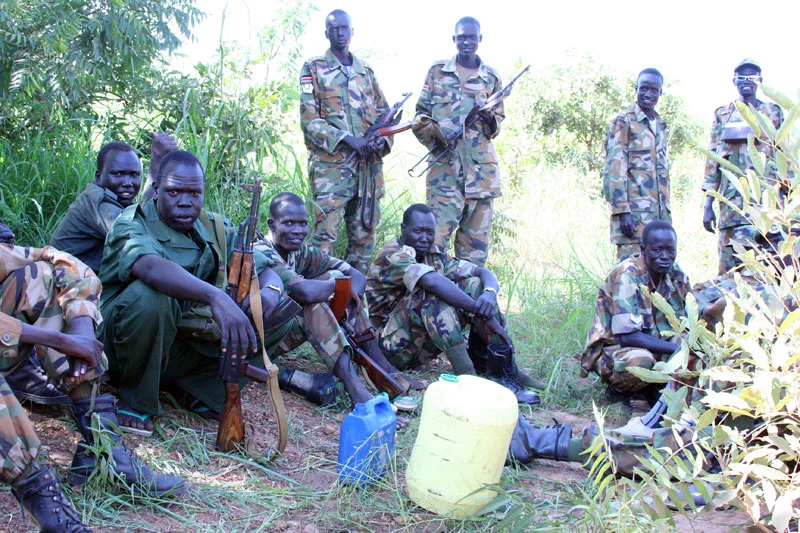
A world of paper promises: The betrayal of women from Gaza to Sudan
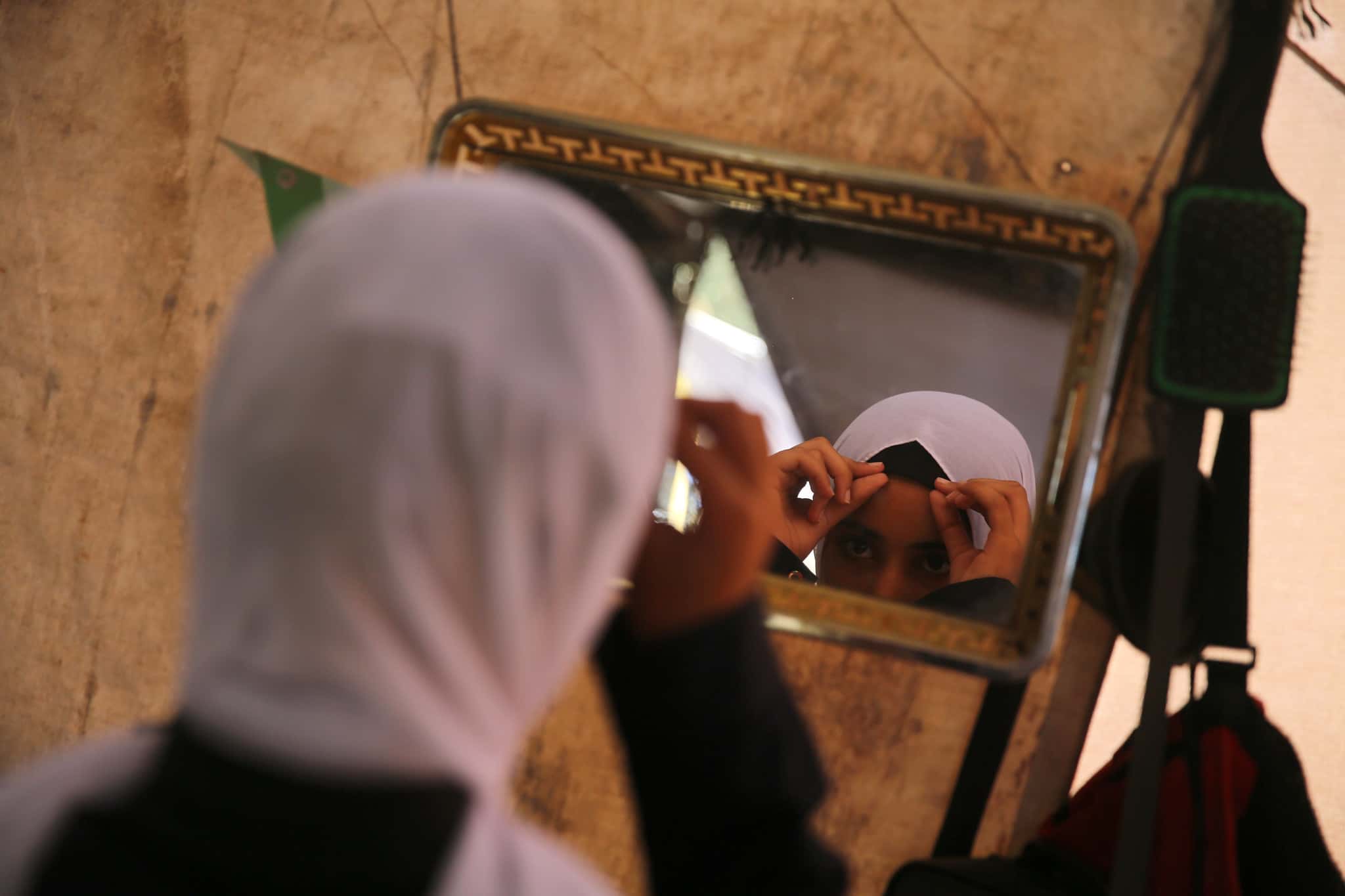
Five nations, one failure: The Security Council's deadly indifference to hunger
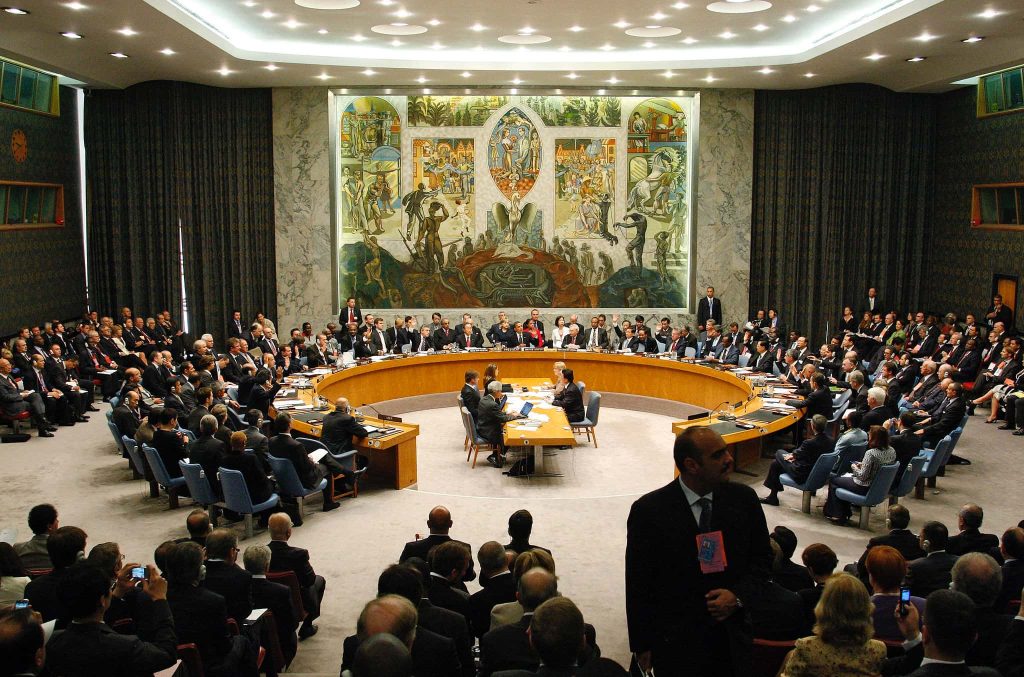
Open letter to the UN: Protect press freedom and defend human rights

When Kakistocracy Sanctions Humanity
Another US veto condemns Gaza to further genocide
Revitalising Global Engagement: The Case for a United Nations Peace Corps