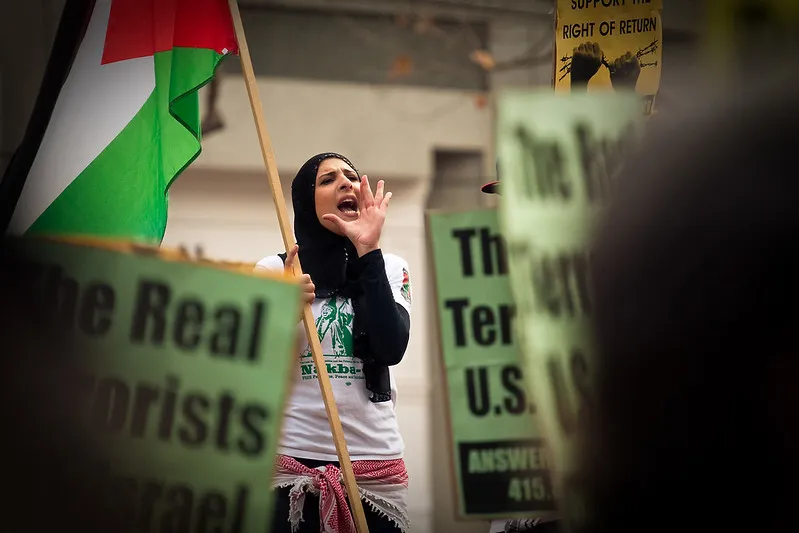
A British government attempt to classify a pro-Palestinian protest group as a terrorist organisation has been deemed unlawful by the high court, setting the stage for a protracted legal battle over the limits of free speech.
The decision, delivered by three senior judges, found the proscription of Palestine Action constituted a very serious interference with fundamental rights to protest. While the court acknowledged the group promotes its cause through criminality, it concluded such activities were matters for ordinary criminal law not anti-terror legislation.
For Mrs Huda Ammori, the group’s co-founder who brought the challenge, the government’s move was a strategic blunder which she believes “has massively backfired on them”.
The home secretary, Mrs Shabana Mahmood, has vowed to appeal the judgment, insisting the original decision was subject to a “rigorous and evidence-based decision-making process, endorsed by parliament.”
The proscription order therefore remains in effect pending further legal argument, leaving the fate of over 2,500 supporters in a state of uncertainty.
More than 500 of these individuals have been charged under section 13 of the Terrorism Act for actions as minor as holding placards, their cases suspended until this judicial review was concluded. Mrs Ammori called the attempt to maintain the ban “ridiculous”.
The government now finds itself in the uncomfortable position of defending a ban that the judiciary has found to be an unlawful overreach.
In its effort to silence an organisation through the powerful instrument of proscription, it appears to have inadvertently amplified its message and created a cause célèbre around the very civil liberties it is charged with protecting. The final outcome may prove to be a cautionary tale on the use of anti-terror powers against domestic political dissent.