
The conflict in Sudan has pushed maternal and child health in South Darfur past the emergency threshold
Acute malnutrition now affects a third of children in the region while maternal mortality has spiked by 50 per cent. As infrastructure collapses, the crisis requires not just aid, but the same mass solidarity and political will directed at other global conflicts.
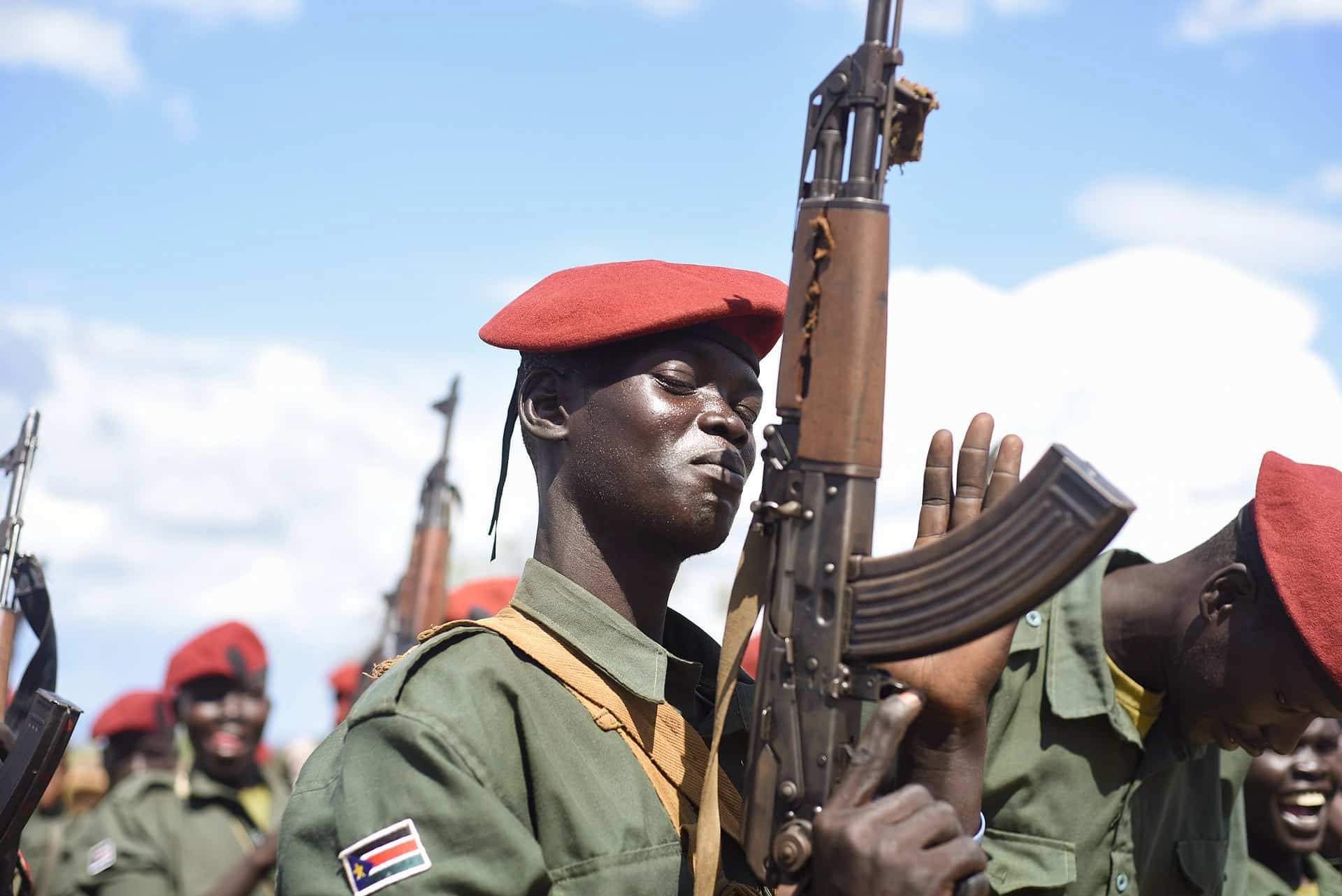
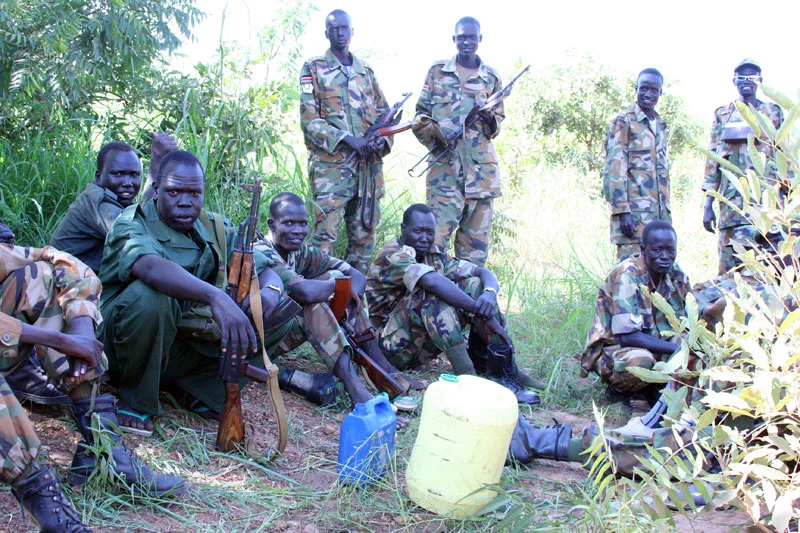
The unrest in Sudan is not a sudden event. Therefore, looking at the history of Sudan’s background will help us understand the current situation. The conflict in Sudan stems from historical ethnic tensions, religious disagreements, and competition over resources. Since the independence of Sudan in 1956, military coups there have occurred many times.
Moreover, Sudan is a country where the effects of climate change and natural disasters are major threats. When we consider all these conditions in context, we can understand that Sudan has vulnerable country dynamics. The competition in Sudanese politics, which lasted until 2023, turned into a civil war which is still ongoing.
Among the estimated 6.9 million people at risk are women and girls. More than 2.5 million women and girls of reproductive age have been displaced since the beginning of the conflict, leaving their sexual and reproductive needs largely unmet.
Health of mothers and children in South Darfur
The war across Sudan is causing a serious maternal health crisis in South Darfur, and malnutrition has reached serious levels due to undernourishment among children. The conflict is expected to cause long term problems. This maternal health crisis is one of the most serious seen globally.
Médecins Sans Frontières (MSF) reports that “Maternal deaths have increased by more than 50% across the two maternity services MSF supports. One out of 30 women died from pregnancy or birth-related complications after being admitted to the Nyala Teaching Hospital maternity ward in July 2024.” (MSF, 2024)
In August 2024, an MSF-Ministry of Health-UNICEF campaign screened over 29,550 children (6–23 months) in Nyala North, Nyala South and Shattaya. The results showed high rates of malnutrition with 32.5% of children suffering from acute malnutrition.
The health crisis in South Darfur predates the conflict, however, additional problems are on the rise, such as precarious border security, inadequate bridges and infrastructures, and child malnutrition.
The United Nations must act quickly to combat the crisis in the region in order to prevent the situation from deteriorating further. Malnutrition has exceeded the emergency threshold, with thousands of children on the brink of starvation and therefore at risk of death. According to Médecins Sans Frontières (MSF, 2024) out of a group of 9,600 children, up to 2,395 have been found to be malnourished and urgently requiring nutrition supplies.
Accurate data is in short supply due to the crisis; needs in reality are likely much higher than reported. On the other hand, since January 2024, MSF has supported the renewal of infrastructure, the transfer of human resources, logistics and technical support, and medical supplies, enabling the start of maternal health services in Ministry of Health hospitals and primary health centres.
In this context in places such as Nyala Teaching Hospital, Al-Wahda Hospital, Nyala Bileil Primary Health Center, Kas Rural Hospital, and the South Jebel Marra region, attention has begun to be paid not only to the nutritional processes of mothers and children but also to other aspects such as HIV control and pre and post natal care.
As the maternal and child health situation in South Darfur is alarming and largely neglected, MSF has called on the Ministry of Health, humanitarian actors, the international donor and diplomatic community, and organisations such as the UN and WHO to take action.
Raising awareness
Maternal and child health in Sudan has been increasingly neglected over the past three years. The recent resurgence of civil conflict in Sudan is predicted to lead to even greater problems in the future. In this context, Sudan must end the ongoing conflict between the two sides. Border security must be ensured, and internal routes must be secured to facilitate the delivery of medical supplies and other essential goods.
International aid organizations, regardless of geography, should collaborate with global organizations such as the UN, UNICEF, and WHO to contribute to a positive transition. Meanwhile, university student groups should mobilize to publicize that the health crisis in Sudan is far greater than it appears. I am sure that mass solidarity on social media, as seen in the Palestinian resistance, will further amplify Sudan’s voice to the world.