

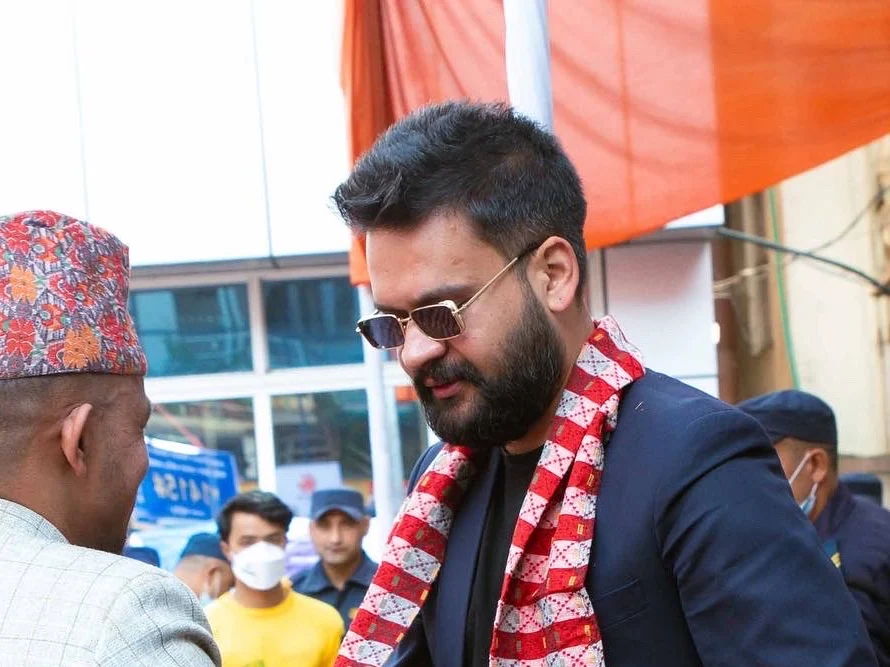
Balendra Shah has orchestrated a political earthquake in Kathmandu, securing an unprecedented parliamentary majority for his Rastriya Swatantra Party. The 35-year-old engineer and former rapper routed the 74-year-old incumbent KP Sharma Oli in the Jhapa-5 constituency, capturing 68,348 votes to the 18,724 secured by his veteran rival.
This mandate caps a tumultuous year for Nepal. A youth uprising ignited by a social media ban metastasised into deadly anti-government riots that claimed 70 lives and forced the collapse of the communist administration.
Voters have subsequently repudiated a political old guard that has overseen chronic unemployment and institutional rot for decades. The Rastriya Swatantra Party, formed a mere three years ago by a television executive, secured at least 122 of the 165 direct seats. This outright majority subverts an electoral system combining proportional representation and constituency voting that traditionally engineers fragile, fractious coalitions.
“The public has many aspirations and many desires,” observed the political analyst Lok Raj Baral. “They have placed extremely high hopes, but in a country like Nepal it is very difficult to deliver. The bureaucracy remains the same old one, only the political leadership is new.”
Transitioning from an insurgent mayor who cleared Kathmandu of unauthorised buildings to national leadership presents a formidable administrative challenge for Mr Shah.
He assumes control of an entrenched state apparatus while facing immense pressure to prosecute former officials for both systemic corruption and the lethal suppression of protesters. Nepal also remains landlocked between the fiercely competing geopolitical interests of India and China. Both regional hegemons routinely subordinate Nepalese domestic priorities to their own strategic imperatives.
Campaigning in dark sunglasses and dispensing anti-establishment rhetoric constitutes a highly effective strategy for winning elections in a traumatised nation. Governing demands entirely different competencies. Mr Shah has promised a total systemic overhaul to an impatient electorate. He must now execute that revolution using the very bureaucratic machinery he was elected to destroy.