
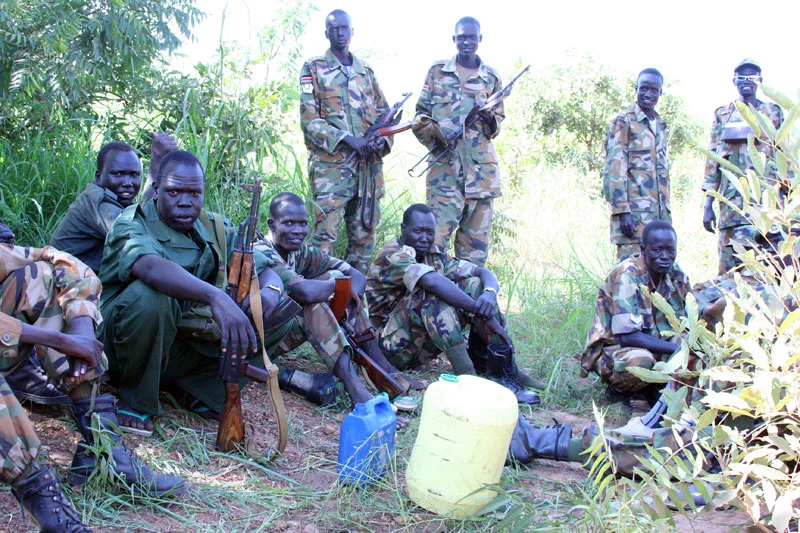
South Sudan became an independent state after years of conflict in July 2011, following an almost unanimous referendum result in favour of splitting from the rest of Sudan. Sadly, the instability, though taking on different forms, remains. Despite being the most recent sovereign state with widespread recognition, South Sudan has struggled to take advantage of its status. It is one of the least developed countries in the world, having the lowest nominal GDP per capita and ranking the lowest in the Human Development Index .
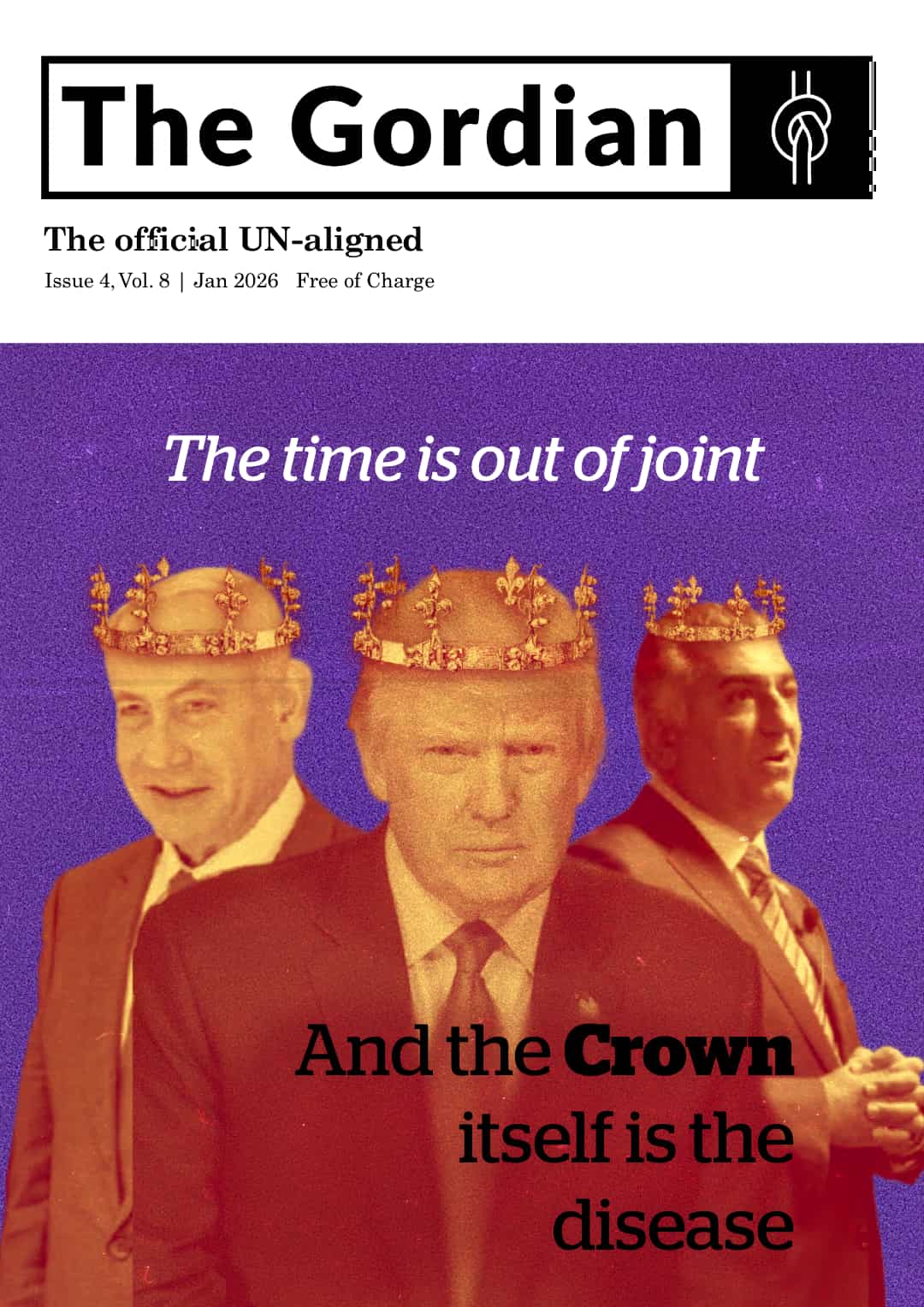
The situation in South Sudan is unlikely to improve without international assistance, but this is unlikely while the world’s attention is focussed on the atrocities being carried out in the Northern Hemisphere by the likes of Putin, Trump and Netanyahu. Only a day after Israel and the US attacked Iran at the end of February, a group of militants launched an assault in the north of the country bordering Sudan. About 178 were killed, most of whom were civilians, including many children.
According to a local official, the fighters were linked to politician Riek Machar, one of main rivals for control of South Sudan during the five-year civil war that ended in 2018. In September 2025, Machar was suspended from his post as First Vice President and charged with murder, treason and crimes against humanity over a separate attack in Nasir, a year ago, which killed 250 government soldiers.
So yes, with such spiralling poverty and conflict, South Sudan is failing, but its failure is not so much an internal fiasco and an international one as billions are spent on destruction rather than creating a fairer and more inclusive humanity.