

On 17 February 2026, the president of Peru, José Jerí, was removed from office after a vote of no confidence; he had been in office since 10 October 2025.
He became the sixth president to be prematurely removed from the presidency, the most recent having been his predecessor President Boluarte, who was unanimously impeached on 10 October 2025 amid nationwide protests.
One of Jerí’s rallying cries was “war on crime”, although, sadly, his own background did not inspire much confidence on this score. In February 2022, Jerí was caught partying without due regard to legally established social-distancing rules.
Less than two years later, he was involved in another scandal, when it was alleged that, as chair of the congressional budget committee, he had received a bribe from a businesswoman named Blanca Ríos to secure funding for an irrigation project in the Cajamarca Region. Most disturbing of all, in December 2024, he was involved in a sexual assault case, for which he was formally accused in January 2025.
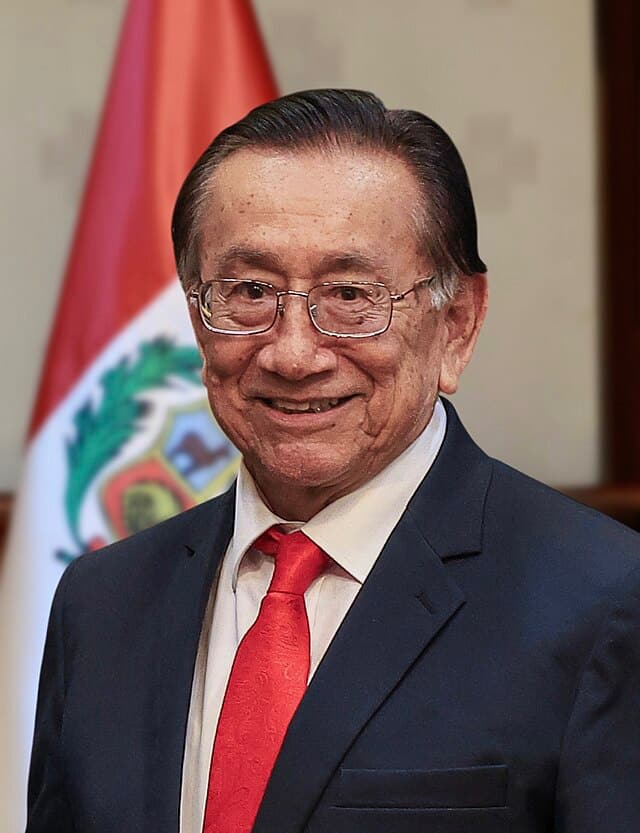
It is hardly surprising, then, that he was under investigation again on 14 February 2026: this time for illicit enrichment. What is surprising, though, is the fact that José María Balcázar, whose past record is anything but reassuring, was sworn in as Jerí’s successor the following day.
Balcázar has faced controversy relating to allegations of illicit appropriation of funds, for which he is currently facing ongoing legal proceedings, as well as condemnation for his links to Patricia Benavides, who as Attorney General of Peru was alleged to have been leading a criminal organisation (the Peruvian Public Ministry controversy).
Moreover, he is known to have defended child marriages stating that as long as violence was not involved, they could benefit a girl’s mental wellbeing.
It would seem, as far as Peruvian presidents go, that “Plus ça change, plus c’est la même chose” [“The more things change, the more they stay the same”].