
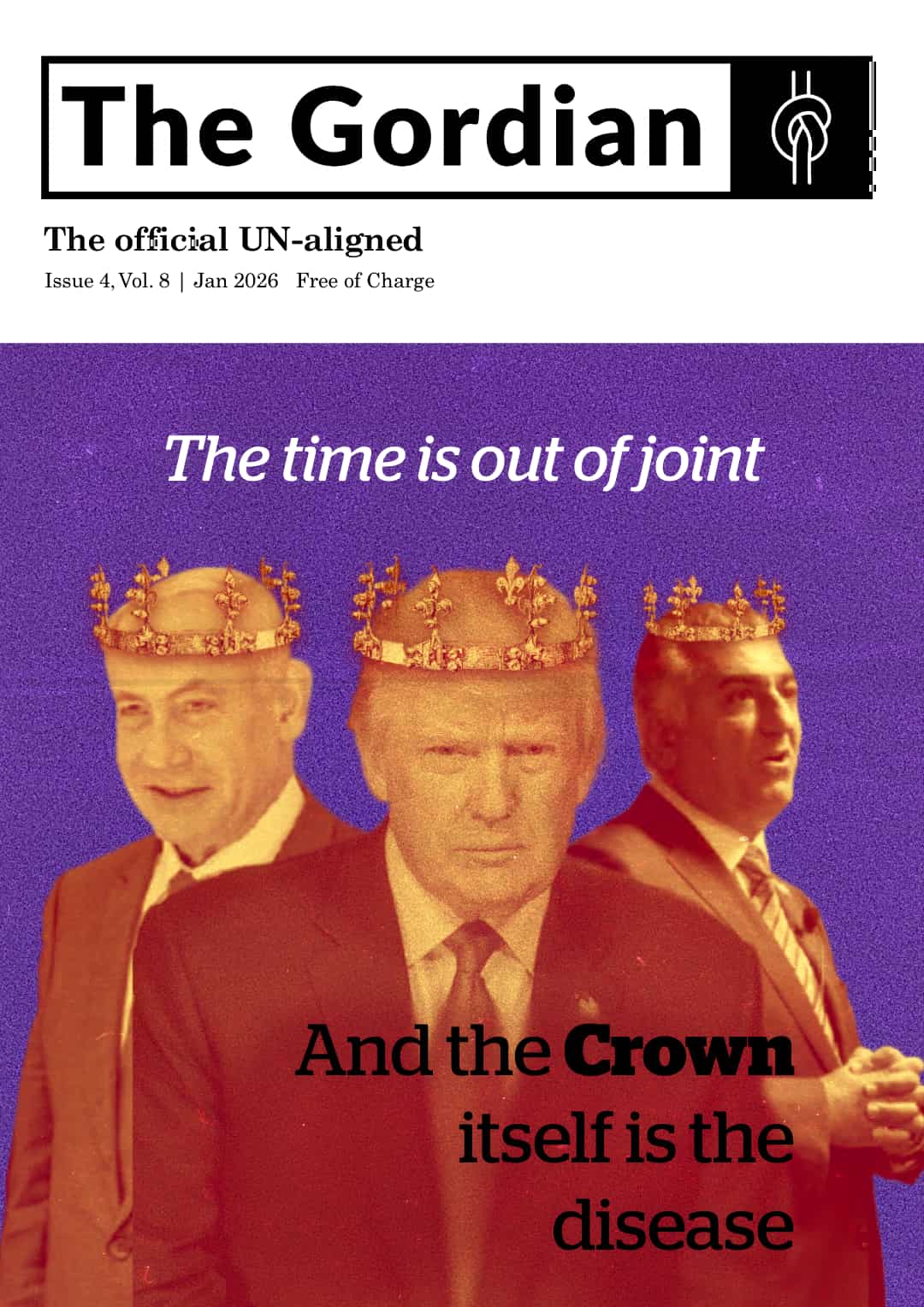
Iranian Monarchists just succeeded in turning the Iranian theocracy into a monarchy.
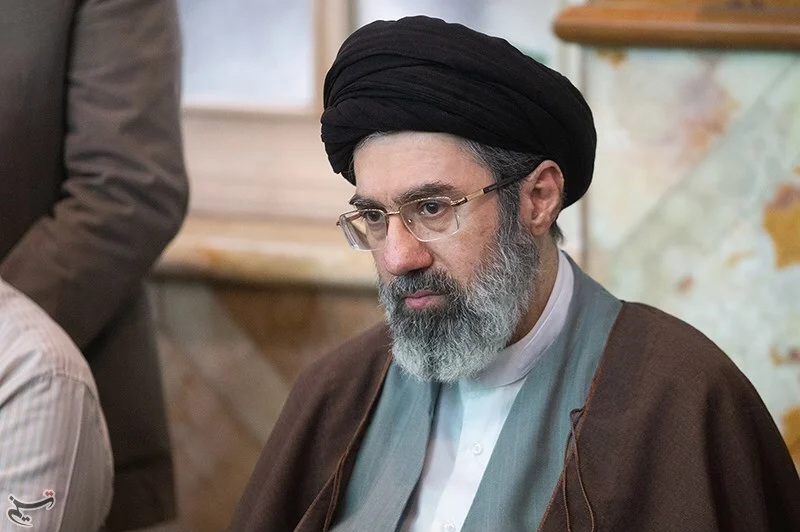
The clerical apparatus of the Islamic Republic has executed a manoeuvre of striking historical irony by selecting Mojtaba Khamenei to succeed his late father as supreme leader. A state explicitly founded upon the violent rejection of hereditary monarchy has now birthed a theocratic dynasty.
The fifty-six-year-old cleric steps into a void left by Ali Khamenei, who was killed in a joint American and Israeli strike in late February. The choice of his son, Mojtaba Khamenei, sends a clear signal that Tehran is not inclined to surrender or rush toward a deal with the United States. The symbolism is difficult to miss. Iran has elevated a leader whose father, mother, wife and son were killed by the United States and Israel.
Unburdened by the demands of elected office but deeply entrenched within the security establishment, the younger Khamenei inherits a fractured nation engaged in an existential war.
The American president was predictably unimpressed by the internal machinations of the Iranian assembly, declaring the succession invalid without his explicit approval. “Iran was going to destroy Israel and everything else around it,” Mr Trump claimed, projecting an absolute confidence in the ongoing destruction of the Iranian state.
Domestically, the Iranian establishment has rushed to project an image of impregnable unity. The military and parliamentary leaders have swiftly proclaimed their allegiance, framing obedience to the new supreme leader as a binding national duty. Yet this internal consolidation occurs against a backdrop of severe regional conflagration. Israeli military forces have greeted the succession with fresh bombardments targeting key civilain infrastructure in central Iran and allied militant outposts in Lebanon, openly vowing to eliminate anyone assuming the mantle of leadership. Tehran has responded by expanding the theatre of conflict, launching a barrage of drones and projectiles across the Gulf to strike energy and civilian targets in Saudi Arabia, the United Arab Emirates, Qatar, Bahrain and Kuwait.
This geographic widening of the conflict represents a calculated gamble by Iran to leverage global economic anxieties. By threatening to incinerate the energy infrastructure of its neighbours, Tehran hopes to force international intervention through the spectre of market collapse.
“If you can tolerate oil at more than $200 per barrel, continue this game,” an Iranian military spokesperson warned on Sunday. The United States has hastily attempted to soothe financial markets by promising to spare Iranian energy sites, yet the escalating exchange of regional fire suggests diplomatic reassurances hold little weight. The Islamic Republic has indeed crowned a new sovereign, but he inherits a kingdom built on ash and surrounded by adversaries intent on ensuring his reign is exceptionally brief.