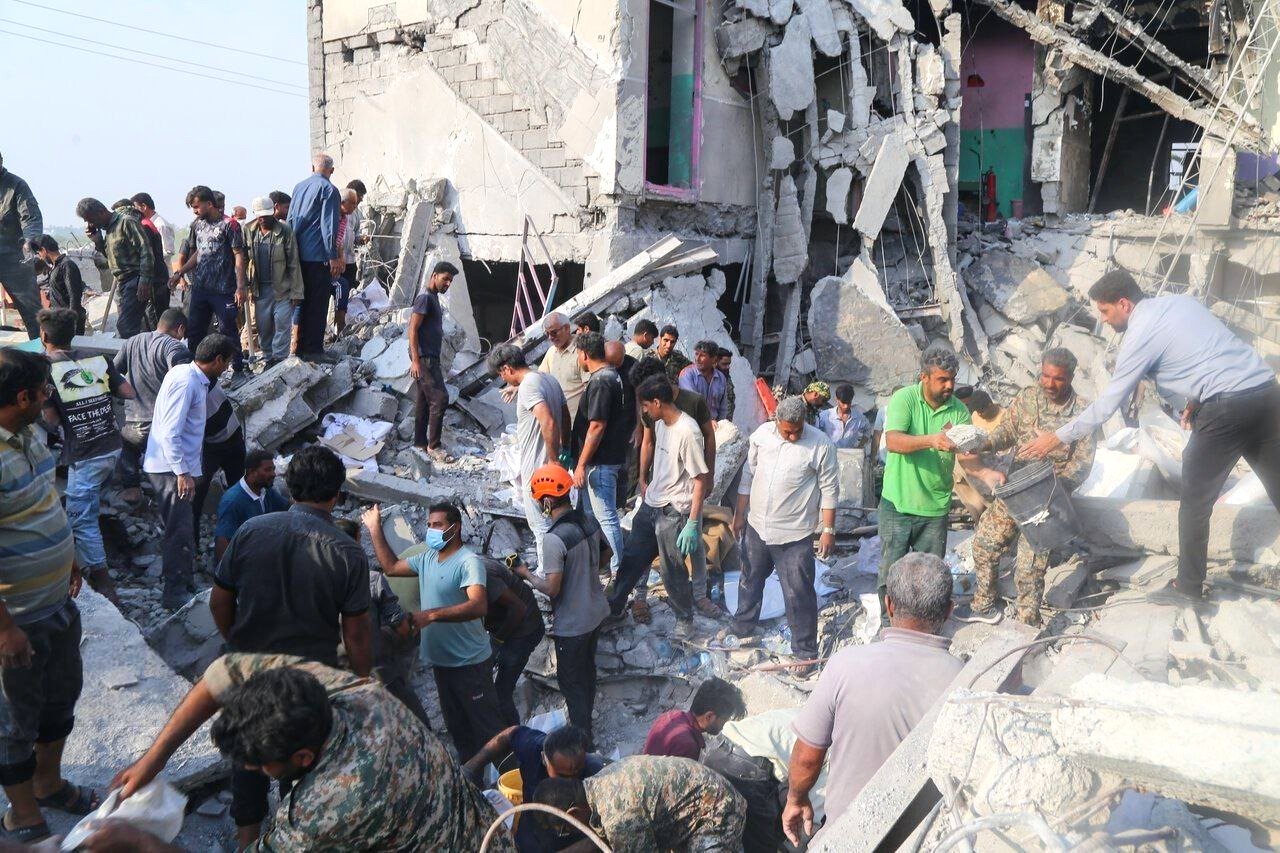

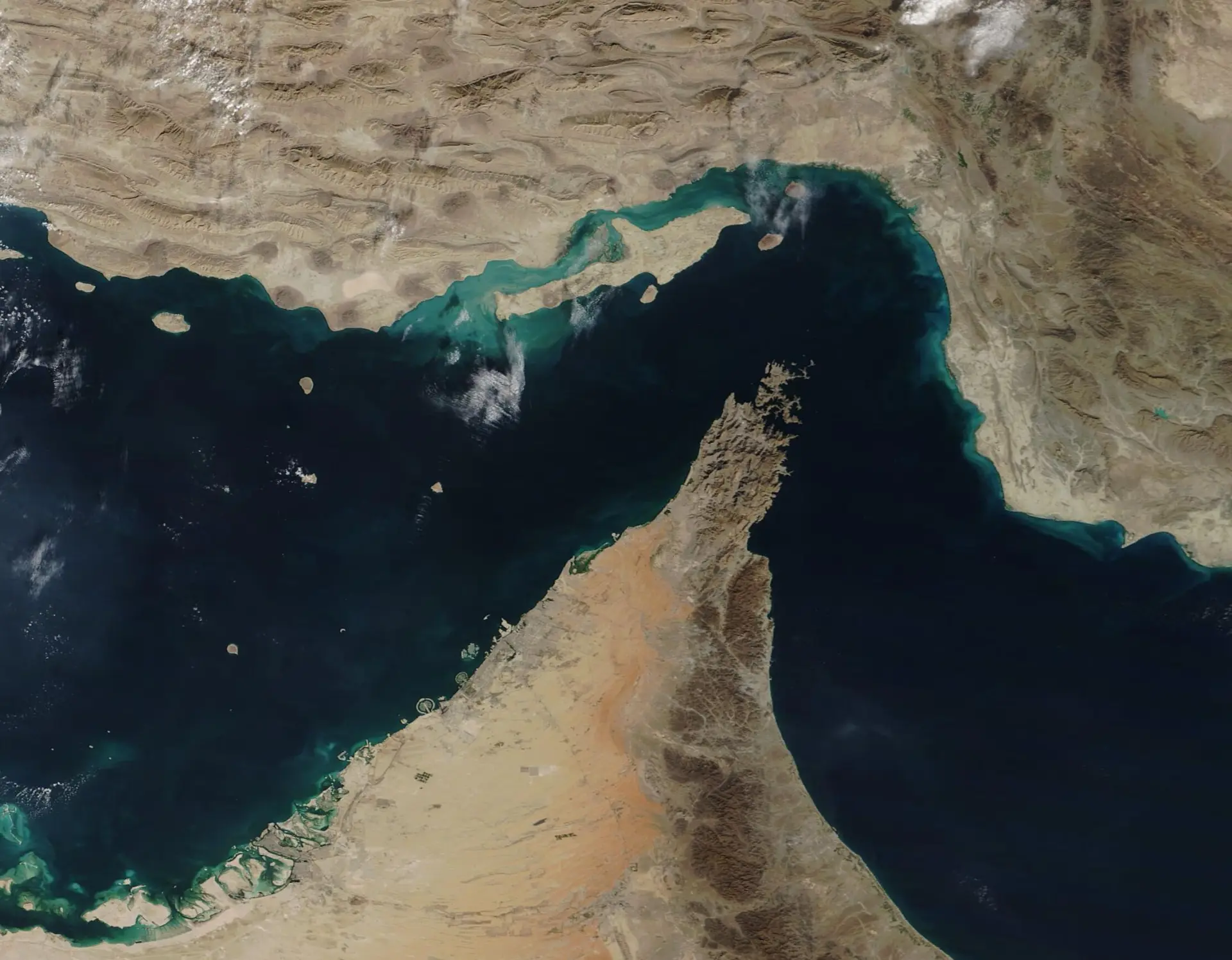
The effective closure of the Strait of Hormuz has sent shockwaves through global markets. Following coordinated US and Israeli strikes over the weekend, traffic through the vital shipping route, which normally carries about a fifth of the world’s oil, has largely halted. Brent crude rose to $82.53 a barrel while stock markets from Shanghai to Abu Dhabi declined sharply. South Korea’s Kospi index fell 12 percent in a single day and briefly forced a halt in trading.
US officials claimed overwhelming maritime control after reportedly destroying seventeen Iranian vessels, including a submarine.
“Today, there is not a single Iranian ship underway in the Arabian Gulf, Strait of Hormuz, or Gulf of Oman,” said US Central Command commander Brad Cooper.
Despite these assurances, geopolitical risk continues to weigh heavily on markets. Wall Street opened lower in pre market trading, reflecting doubts that military gains will quickly restore secure shipping. Goldman Sachs chief executive David Solomon warned that the shock will take time for financial markets to absorb. Donald Trump meanwhile proposed naval escorts and subsidised political risk insurance to protect commercial vessels.
“If necessary, the United States Navy will begin escorting tankers through the Strait of Hormuz, as soon as possible,” the US president wrote on his Truth Social platform. “No matter what, the United States will ensure the FREE FLOW of ENERGY to the WORLD.”
The episode has exposed the fragility of global energy supply. Washington is attempting to calm markets with security guarantees, but a critical artery of world trade remains vulnerable to regional conflict. It remains uncertain whether military protection alone can stabilise oil markets without a broader political settlement.