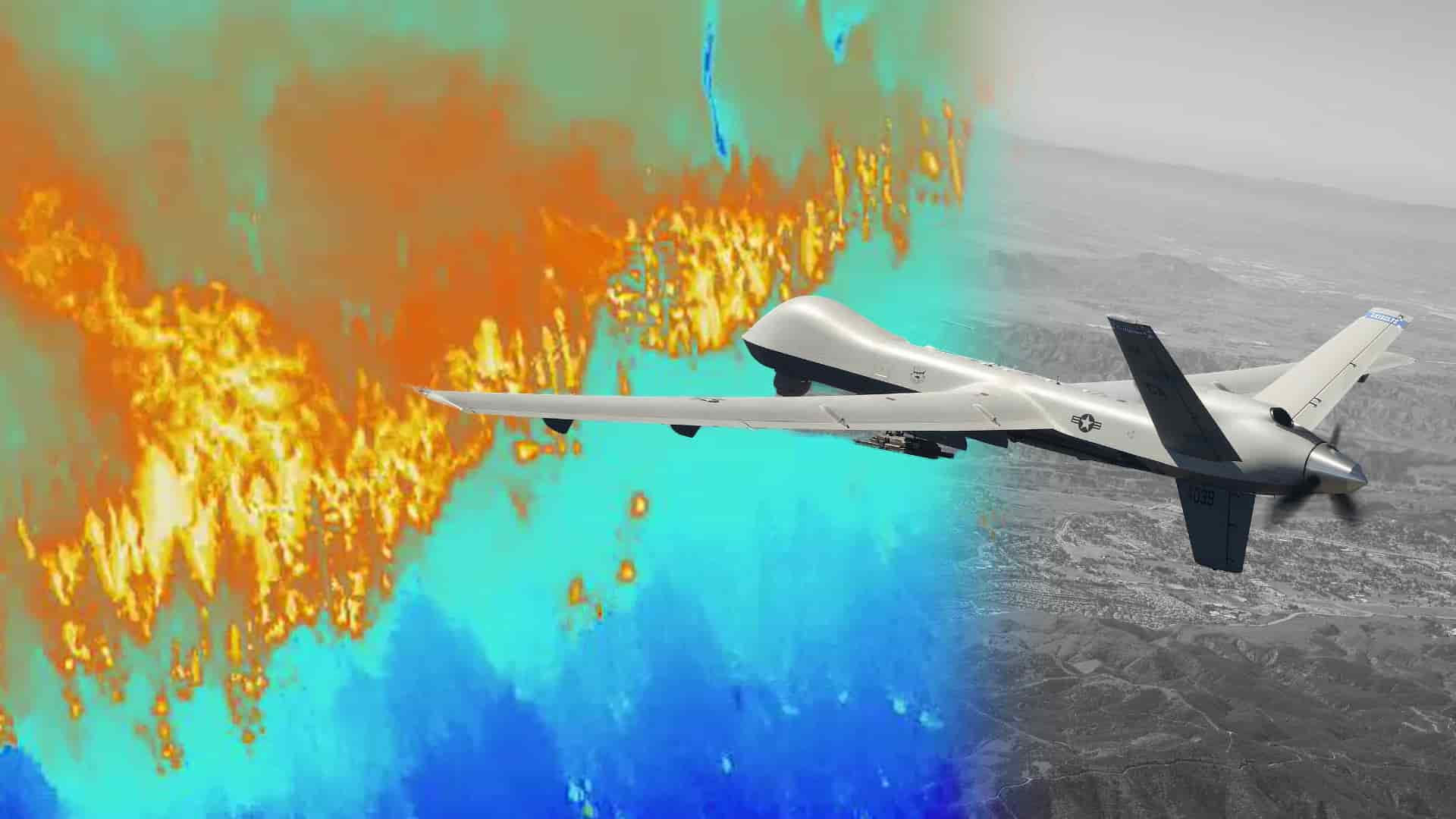
On November 20, a joint media statement from the COP30 Presidency and UN Climate Change stated that: “Earlier today, a fire broke out in the Blue Zone of the COP30 venue in Belém. The fire department and UN security officers responded swiftly, and the fire was controlled in approximately six minutes. People were evacuated safely.”
This is a fitting metaphor for the current state of affairs. Nero fiddles, while Rome burns. Only that, once the fiddlers finally realise the gravity of the conflagration they are facing, it will take more than a few first-responders to save our planet and get it back on safe mode.
The summit ended a day later with as much panache as a damp squib and that same day its Outcomes Report on Global Climate Action at COP 30 was published.
‘Disappointing’ does not come even close to covering it. Just as UN peace initiatives are restricted by the geopolitical interests of the P5 and other power brokers, COP has operated within the confines of the parameters set out by short-sighted national interests and big business.
COP 30 fits in nicely with the 21st century mood of defeat and submission to the might is right mentality.
COP stands for Conference of the Parties and the parties in question consist of the signatories of the 1992 Treaty known as the United Nations Framework Convention on Climate Change (UNFCCC).
COP meetings are held annually, and one would think that by number 30 we should be well on the way of meeting the necessary target of limiting global warming to 1.5°C. above pre-industrial levels.
To achieve this, according to the 2018 IPCC Report ‘Global Warming of 1.5°C’, “global emissions must be reduced by about 45% by 2030 from 2010 levels and reach net-zero by 2050.” This, according to UNEP, would require an annual reduction of about 7.6% per year from 2020 to 2030.”
However, CO2 emissions continue to increase and with that, the degradation of our planet. Professor Pierre Friedlingstein, of Exeter’s Global Systems Institute, who led a study on the situation that included experts from several universities and institutions around the world, was blunt in his final assessment:
“With CO2 emissions still increasing, keeping global warming below 1.5°C is no longer plausible.”

Ding! The Doomsday Clock is getting ready to edge even closer to midnight (it is now only 89 seconds away). Climate change is, of course, one of the main risk factors threatening our very existence with extreme weather events, rising sea levels, mass extinctions, land degradation, water insecurity and increasing health challenges.
Moreover the UN estimates that climate change has displaced 250 million people in the last decade alone.
Following suit
Meanwhile, the so-called leader of the free world (an attribute which becomes more ridiculous with every dawning day) spends much of his time mocking the science (and scientists) sounding the alarm, as well as anyone who takes it seriously.
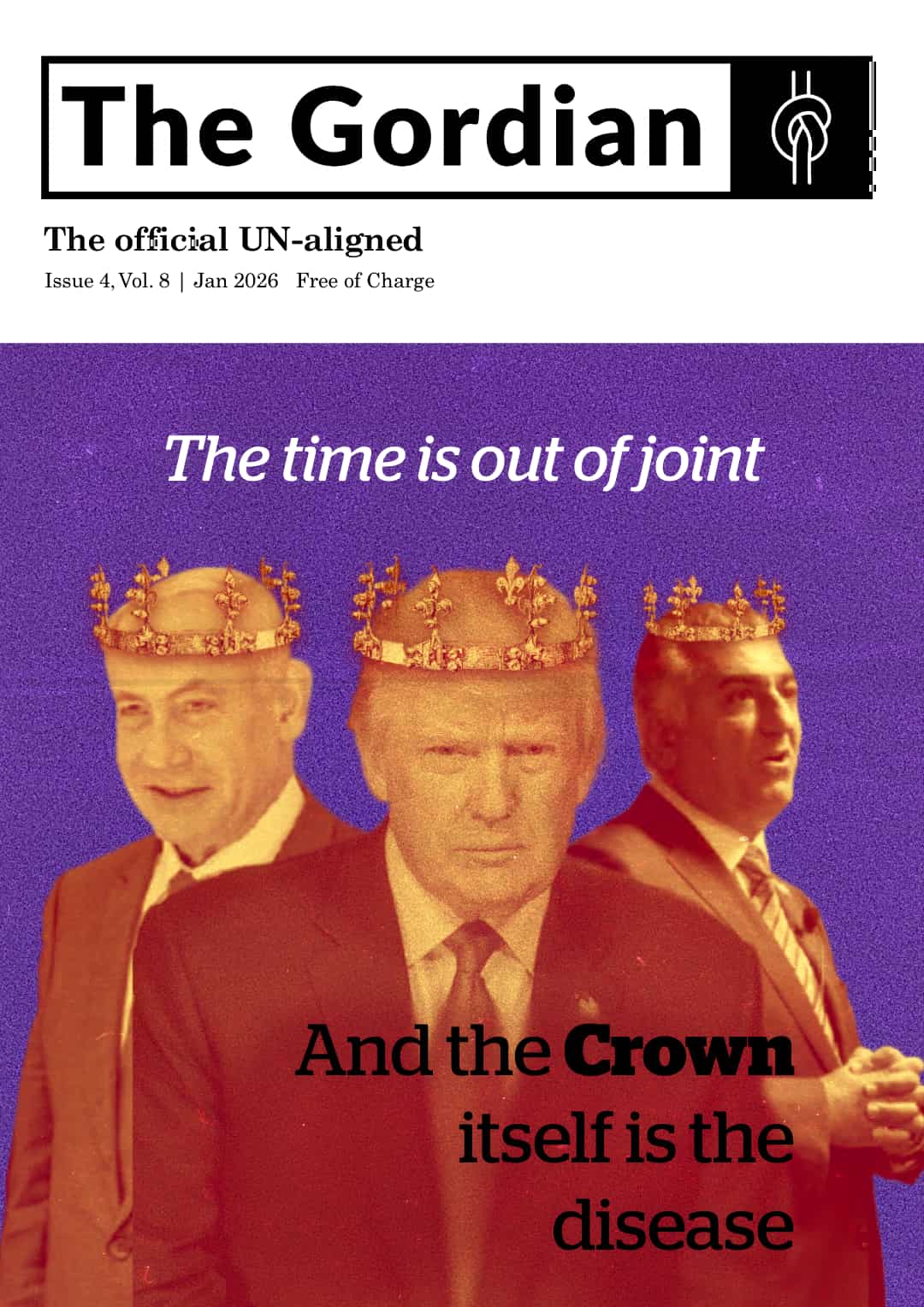
He even used this year’s UN General Debate to launch a scathing attack on environmentalists and the science backing them. And if you imagined that the EU was any better, think again! The European Environment Agency (EEA) reports that in 2023 alone, the fossil fuel subsidy reached around €111 billion (in 2023 prices); while according to an April 2024 Report by nature food, over 80% of the European Union’s Common Agricultural Policy subsidies support emissions-intensive animal products.
If that were not enough, on October 8, MEPs voted by 355 in favour to 247 against (with 33 abstentions) to reserve names such as “burger” and “sausage” exclusively for products derived from meat (i.e. the corpses of dead animals), so that labels like “veggie burger” would be banned.
Although individual Member-States and the Commission still need to negotiate the final text, the step is a blatant attempt to boost the meat and dairy industry, which is one of the greatest causes of climate change, to the detriment of those who are striving to combat it.
Therefore, perhaps it is not so surprising that COP 30 has nothing at all to say about this. Meat was served at COP 30, leading Paul McCartney to point out that it was like “handing out cigarettes at a cancer-prevention conference,” and the meat and dairy industries were not even mentioned once in the final report.
Only when covering methane mitigation was livestock mentioned at all, while the same tiptoeing approach was also used with regards to the oil industry, with fossil fuels only mentioned in generic terms, as if totally detached from the big oil companies.
The oil industry was only specifically referred to once, with reference to dealing with flaring of gasses.
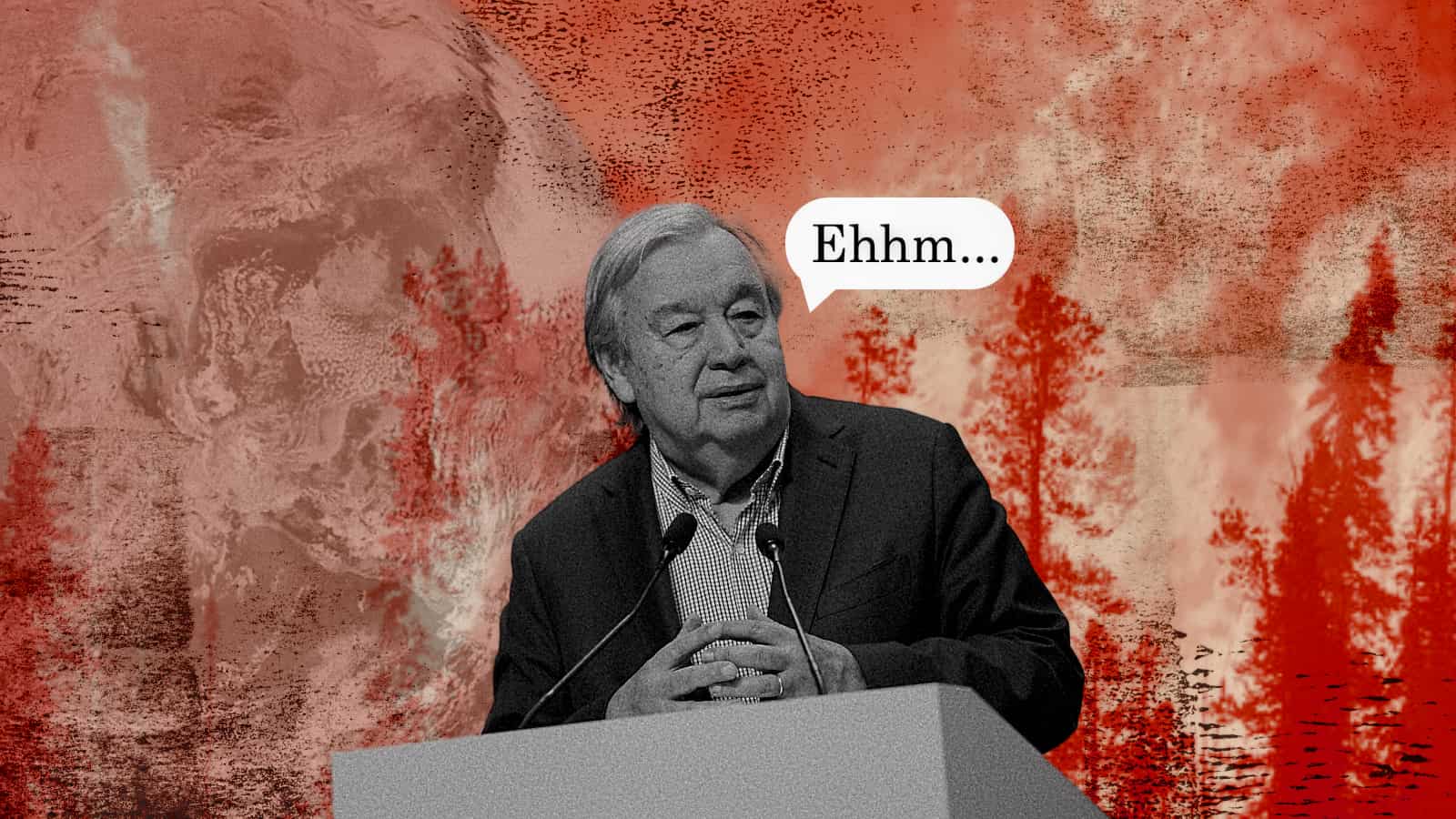
In fact, the whole report reads more like a corporate marketing performance report designed to boost publicity than a serious action plan to tackle one of the most serious threats of our time. This, despite Brazil’s President Lula’s opening speech, which emphasised the need to eliminate dependency on fossil fuels and commitments to stopping deforestation.
In this sense, COP 30 is a betrayal of its mission in as much as it gives the impression that all is under control, when it clearly is not.
A few positive moves is not enough
The list of positive steps that are trumpeted in the report usually relate to just a selection of countries: “So far, 53 countries…”; “Over 50 countries…”; “Fifteen governments have…”; “7 countries endorsed…”
This is not to say that some of those initiatives were not worthwhile, like a much needed focus on the rights of indigenous peoples, nor to dismiss some of the few concrete actions, such as “highlighting aquatic food systems and algae aquaculture as climate-resilient, nature-positive and inclusive pathways for food security, livelihoods and ecosystem restoration…” and commitments “to cutting 30% of methane emissions from organic waste by 2030, while transforming discarded food into opportunities for climate action, nutrition, and livelihoods.”
The point is that the main purpose of a COP should not be massaging or mitigating the symptoms, but highlighting the gravity of the situation we are in.
True, consensus is not always easy.
In the 13th Century, it was deemed necessary to lock Cardinals up until they finally reached a consensus on the election of a new pope (hence the word ‘conclave’ from the Latin cum clave, meaning “with a key”), a practice that in many ways has remained unchanged to this day; perhaps we should do the same with our COP delegates.
Who knows perhaps only then we will get the Cop decisions that are actually needed to save us from the looming troubles ahead.

Rivers of the air: How atmospheric rivers shape weather, water and climate
Earth's weather-makers: The climate engines driving global drought
The hidden war on honeybees: Murder hornets, parasitic wasps and the fight for survival
4 Ways to Use Carbon Dioxide to Curb Global Warming
Is UK's North Sea Drilling Plan a Sustainable Solution? An Impact Assessment Report
Engineering Solutions to Combat Climate Change: 4 Groundbreaking Approaches