
When the law steps into the climate void
As governments struggle to respond to mounting environmental damage, India’s courts have become unlikely guardians of the planet. Public Interest Litigation is increasingly shaping how pollution, climate stress and public health are confronted.
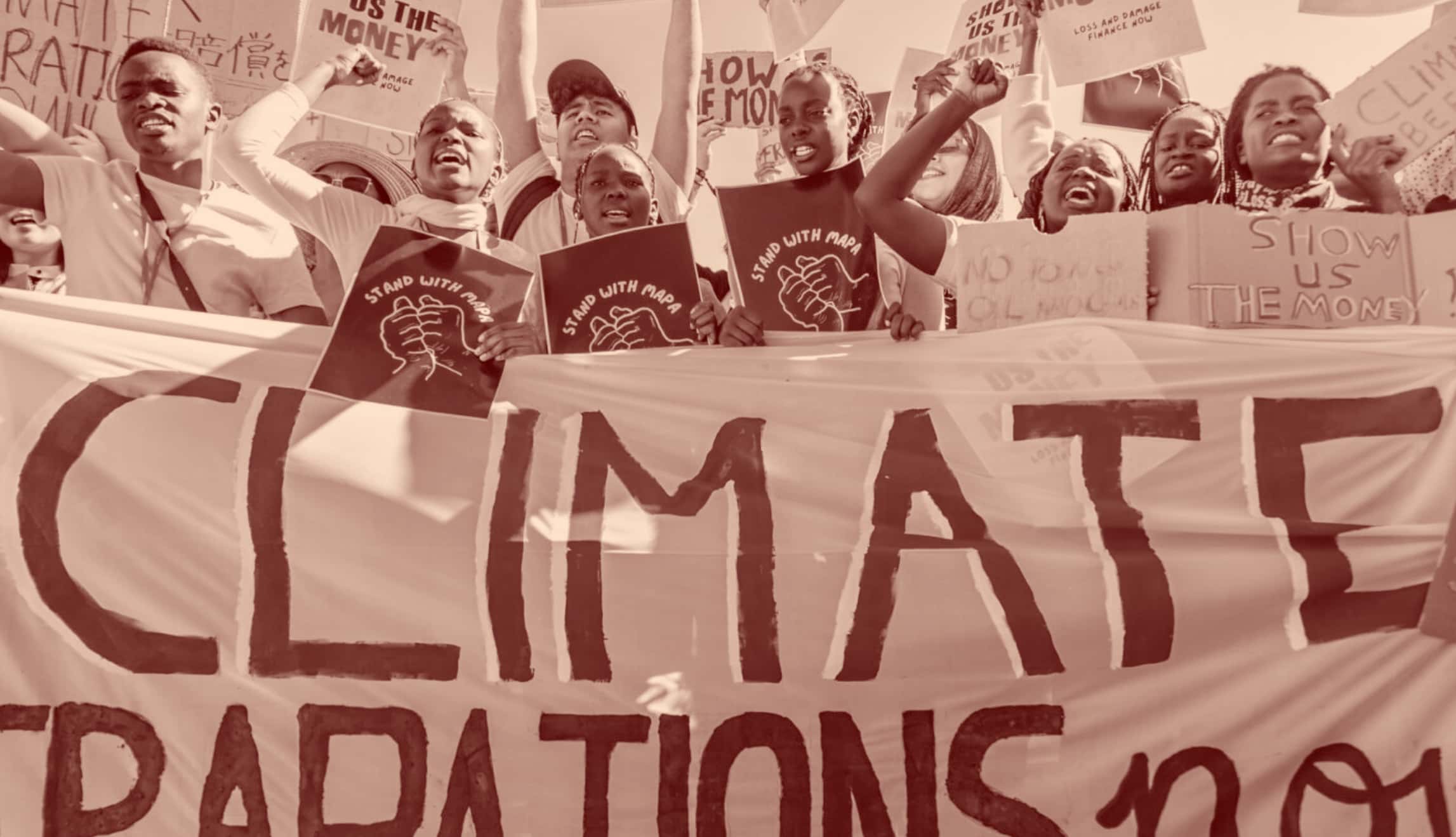
As climate change accelerates and environmental damage becomes harder to ignore, governments across the world continue to fall short of meaningful action. In that widening gap between policy promises and lived reality, the courts have emerged as unexpected arenas of environmental accountability. In India, one legal instrument has quietly carried this burden for decades: Public Interest Litigation, or PIL.
PIL allows any concerned citizen or collective to approach the judiciary on behalf of the public interest, particularly on behalf of communities, ecosystems and future generations that cannot represent themselves. When regulation weakens under political pressure or policy stalls altogether, this mechanism offers a direct route to justice. It has transformed courtrooms into spaces where environmental harm can be named, documented and challenged.
The urgency behind this shift is difficult to overstate. The environment is a shared public good, yet it faces relentless pressure from air pollution, contaminated water, unchecked waste, excessive noise, artificial light and rising heat. These forces do not operate in isolation. Together, they accelerate climate change, destabilise ecosystems and undermine public health. By linking scientific evidence with constitutional rights and public interest, PIL has become a way to confront a crisis that unfolds gradually yet relentlessly.
India’s environmental record would look markedly different without sustained judicial intervention. Over the years, PILs have driven action on river pollution, illegal mining, deforestation and vehicular emissions, often at moments when political will was absent. These cases reveal the core strength of PIL. It allows courts to intervene when environmental laws exist in theory but fail in practice. In the context of climate change, it has also opened pathways to demand accountability from both policymakers and corporations, especially where regulatory delays have real human costs.
Air pollution offers one of the clearest examples of this dynamic. Emissions from vehicles, industries, power plants and household fuels continue to damage respiratory health while also warming the atmosphere. Pollutants such as tropospheric ozone trap heat and weaken immune systems, intensifying both climate stress and vulnerability to disease. In cities like New Delhi, winter weather patterns trap pollutants close to the ground, creating prolonged episodes of toxic air. Through PIL, citizens have pushed for stricter emission standards, transparent air quality monitoring, faster adoption of cleaner technologies and medical safeguards for affected populations.
Urban environments reveal another layer of the climate challenge. As cities expand upward and outward, green spaces shrink and heat becomes concentrated in dense neighbourhoods. The urban heat island effect raises energy demand, worsens heat stress and increases the risk of heat-related illness, particularly for those already living at the margins. PIL has enabled residents and activists to challenge reckless urban planning, demand protection of green cover and advocate for climate-sensitive design. Tree-lined streets, shaded public spaces and nature-based cooling solutions are increasingly framed as public necessities rather than aesthetic choices.
Water systems under strain tell a similar story. Rivers, lakes and wetlands are being pushed beyond their limits by untreated sewage, industrial effluents and thermal discharges, all while climate change alters rainfall patterns and water availability. Pollution weakens ecosystems that might otherwise help buffer climate impacts. Courts, responding to PILs, have repeatedly ordered clean-up measures, enforced accountability on polluters and highlighted the climate role of wetlands and floodplains. Legal interventions have also encouraged solutions such as waste segregation, phytoremediation and the protection of natural carbon sinks embedded within aquatic ecosystems.
Some of the most damaging forms of pollution remain largely invisible. Excessive artificial lighting wastes energy, contributes to emissions and disrupts nocturnal wildlife by erasing natural darkness. Noise pollution affects human health through stress and hearing damage while also interfering with animal behaviour essential to ecological balance. PIL has offered a means to bring these overlooked issues into legal focus by enforcing noise limits, curbing unnecessary lighting and promoting energy-efficient alternatives. In sensitive regions, courts have also helped protect biodiversity hotspots and support the creation of dark-sky zones where ecosystems can function with minimal human disturbance.
Plastic pollution adds another dimension to the climate burden. Single-use plastics clog drains, contaminate soil and water and release greenhouse gases throughout their lifecycle. Despite formal bans and policy commitments, enforcement often remains weak. PIL has been used to challenge this gap between regulation and reality by pushing governments to implement plastic controls, demanding accountability from manufacturers through extended producer responsibility and questioning misleading environmental claims. Legal pressure has also helped draw attention to alternatives, from biodegradable materials to products derived from invasive plant species.
Yet PIL has clear limits. Courts are not always equipped to resolve complex scientific disputes and implementation of judgments can be slow and uneven. There is also the danger of misuse, where litigation driven by personal or political motives erodes public trust in the process. For PIL to remain effective, it must be supported by credible scientific expertise, strong monitoring mechanisms and specialised environmental institutions. Green tribunals and similar bodies need interdisciplinary input from law, science, engineering, economics and public policy to ensure decisions are informed and timely.
Despite these constraints, Public Interest Litigation remains one of the most powerful tools available in an era when environmental policy often bends under industrial pressure and climate denial. It gives citizens a way to demand cleaner air, safer water and cities that remain liveable under rising temperatures. More broadly, it reframes climate change as a question of justice as much as technology or diplomacy. When ecosystems are silenced and communities ignored, the courtroom can become their final forum for recognition and redress. In that role, PIL continues to serve as a vital legal lifeline for both people and the planet.



Cities that shake: How urban heat may be nudging earthquakes
COP 30 was a minacious charade
Rivers of the air: How atmospheric rivers shape weather, water and climate

Earth's weather-makers: The climate engines driving global drought
The hidden war on honeybees: Murder hornets, parasitic wasps and the fight for survival

4 Ways to Use Carbon Dioxide to Curb Global Warming