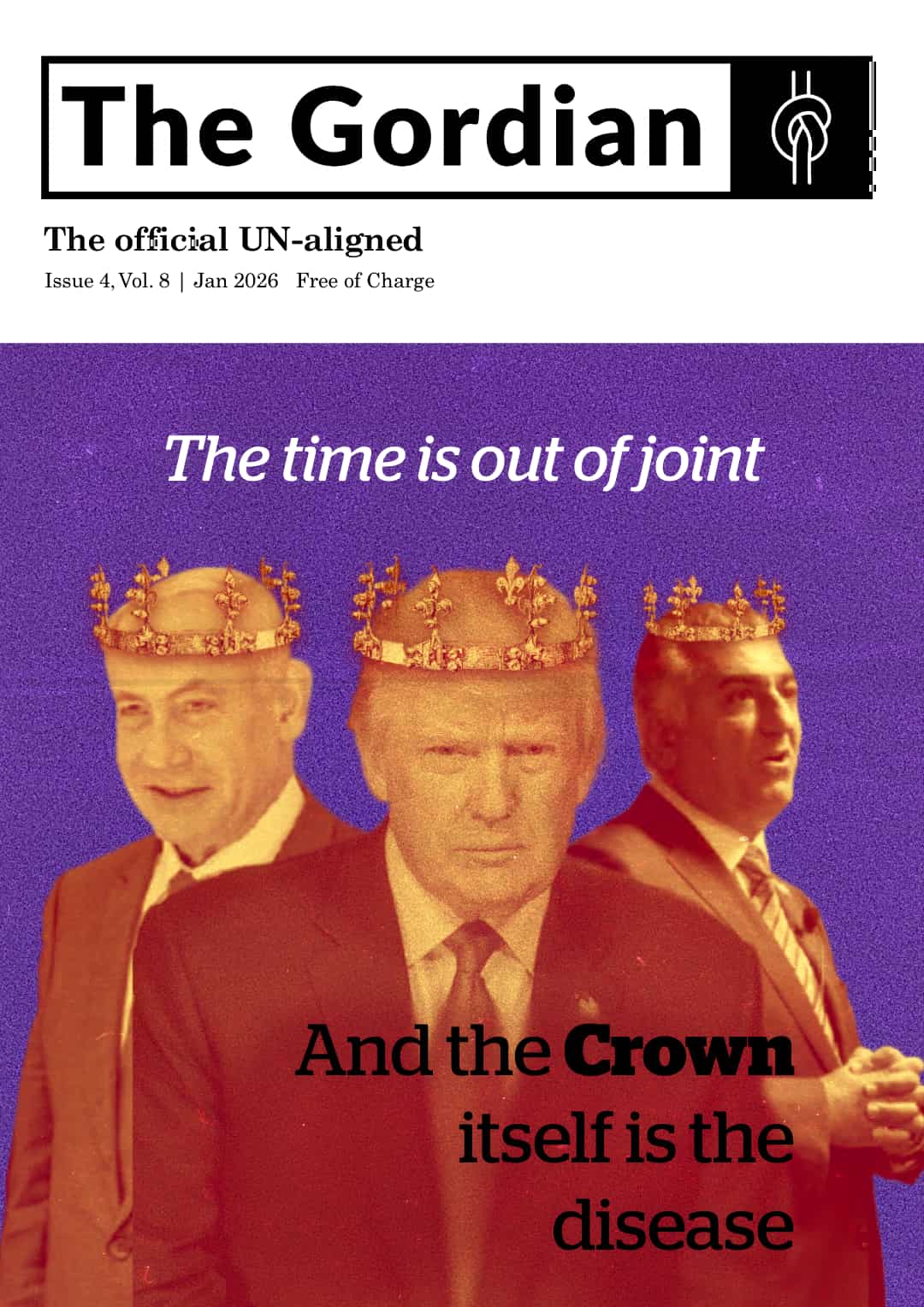
 The time is out of joint, and the Crown itself is the disease
The old covenants of international law now haunt the world as powerless spectres. In their absence, a maddened empire turns on itself. From the coup in Venezuela and Trump’s threat to annex Greenland to the ambitions of the son of Iran’s deposed Shah and the charade of global climate summits, we are living amid the ruins of an order that has lost its mind.
Editorial
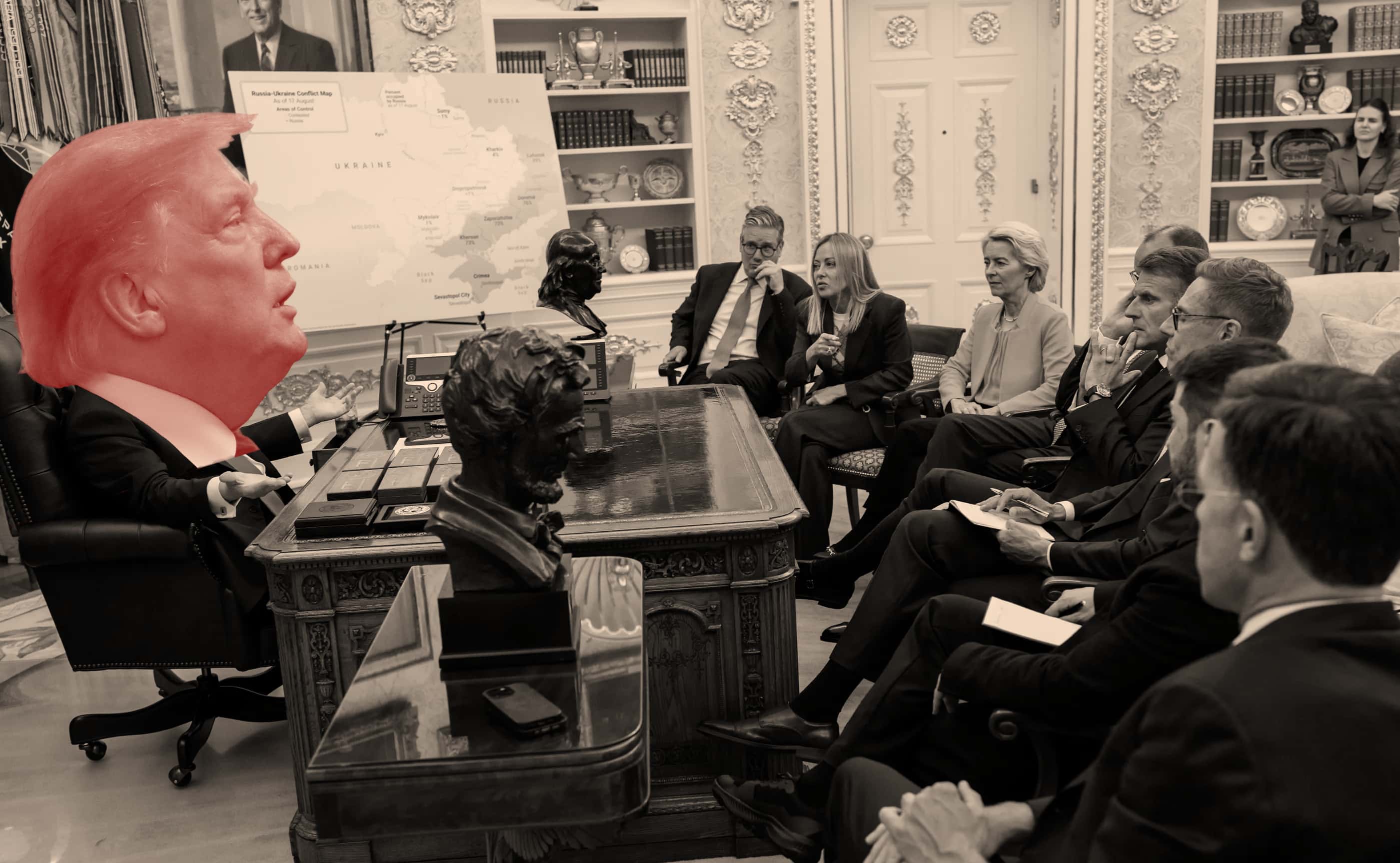
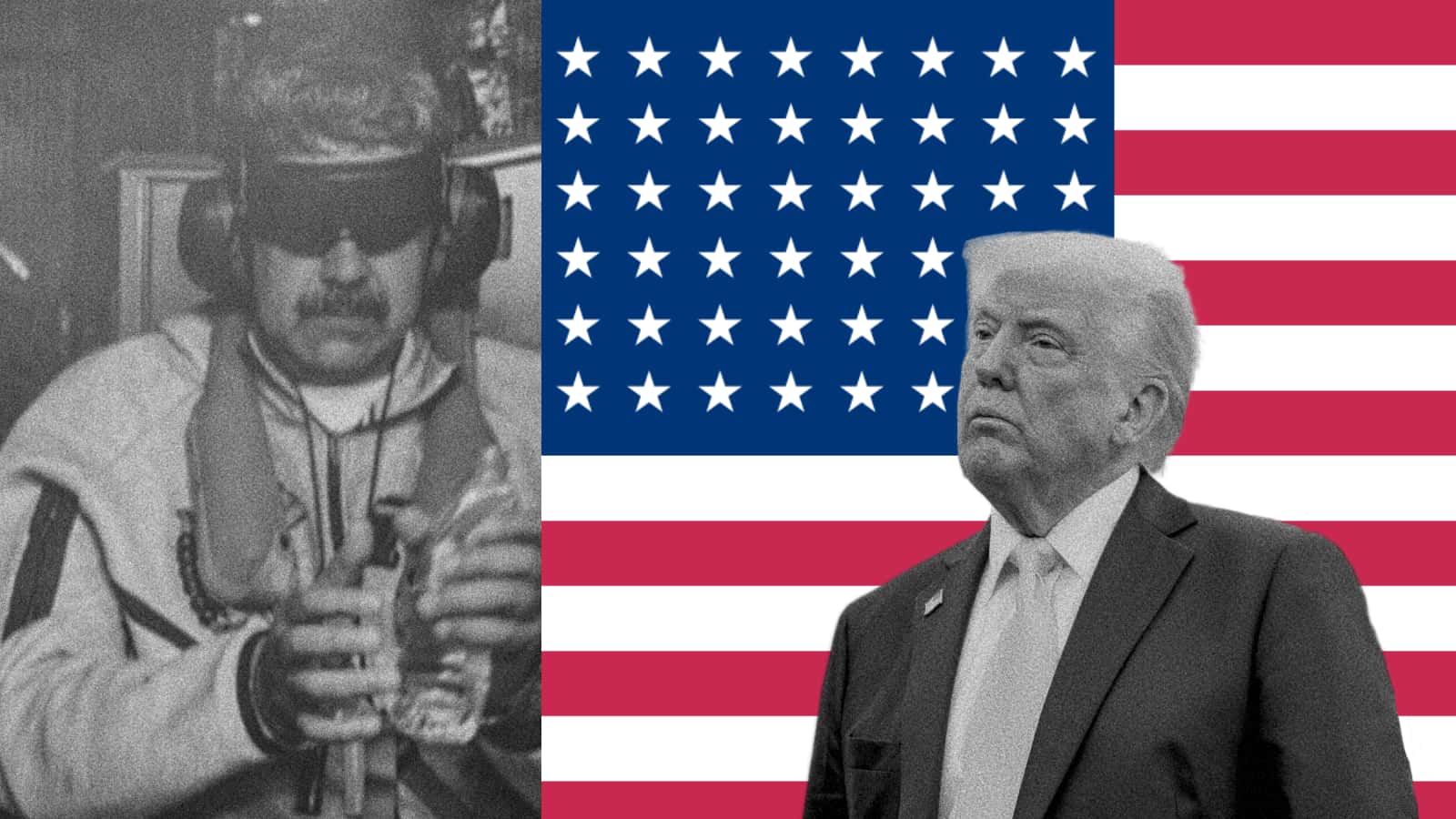
The mask of empire has slipped. The casual threat to annex Greenland is not a diplomatic gaffe; it is a declaration that the old arrangements are over, a logic of raw power made brutally clear by the overnight coup in Venezuela. For a generation, Europe believed its loyalty conferred immunity. It is now facing the rude awakening that the empire has no allies, only assets.
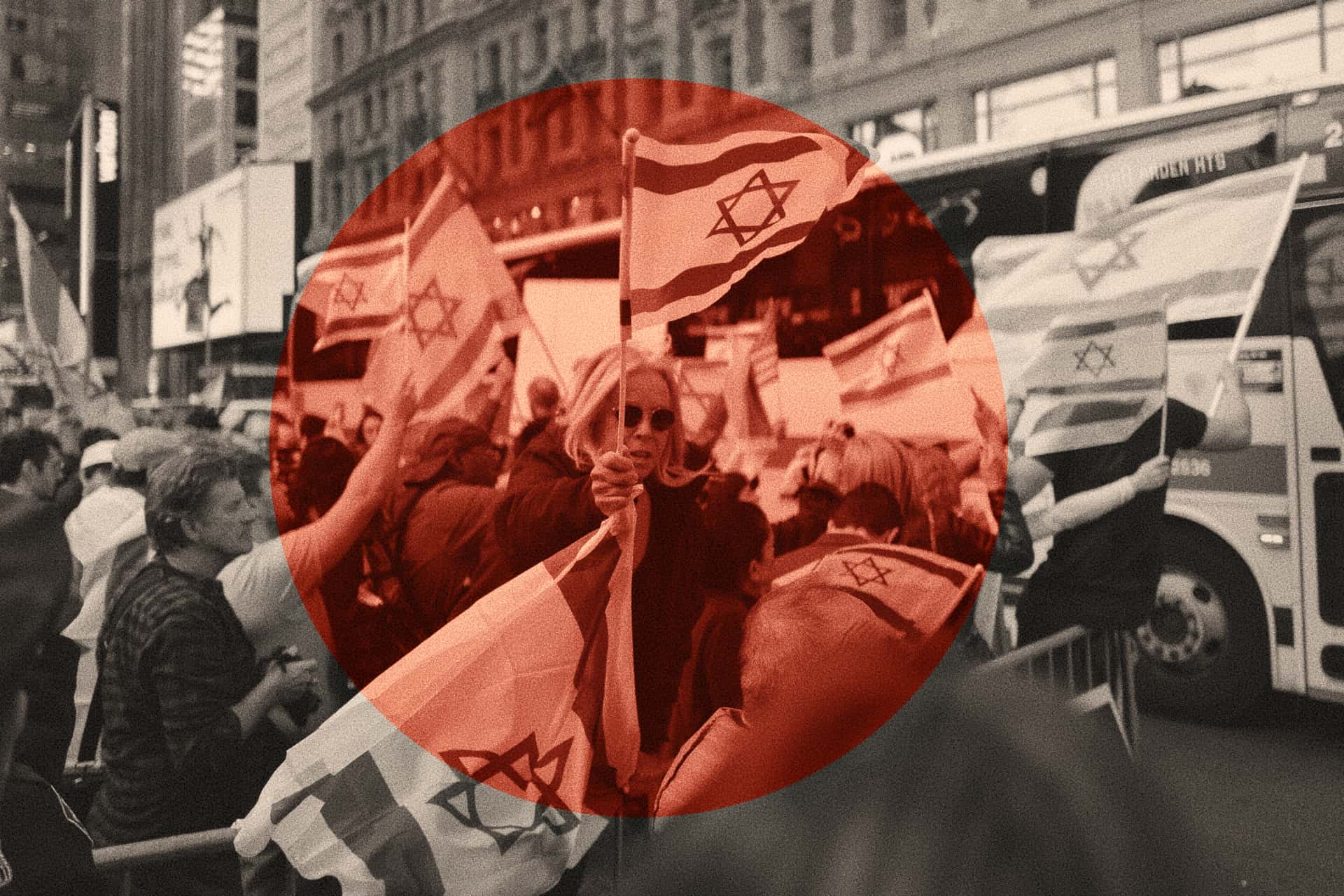
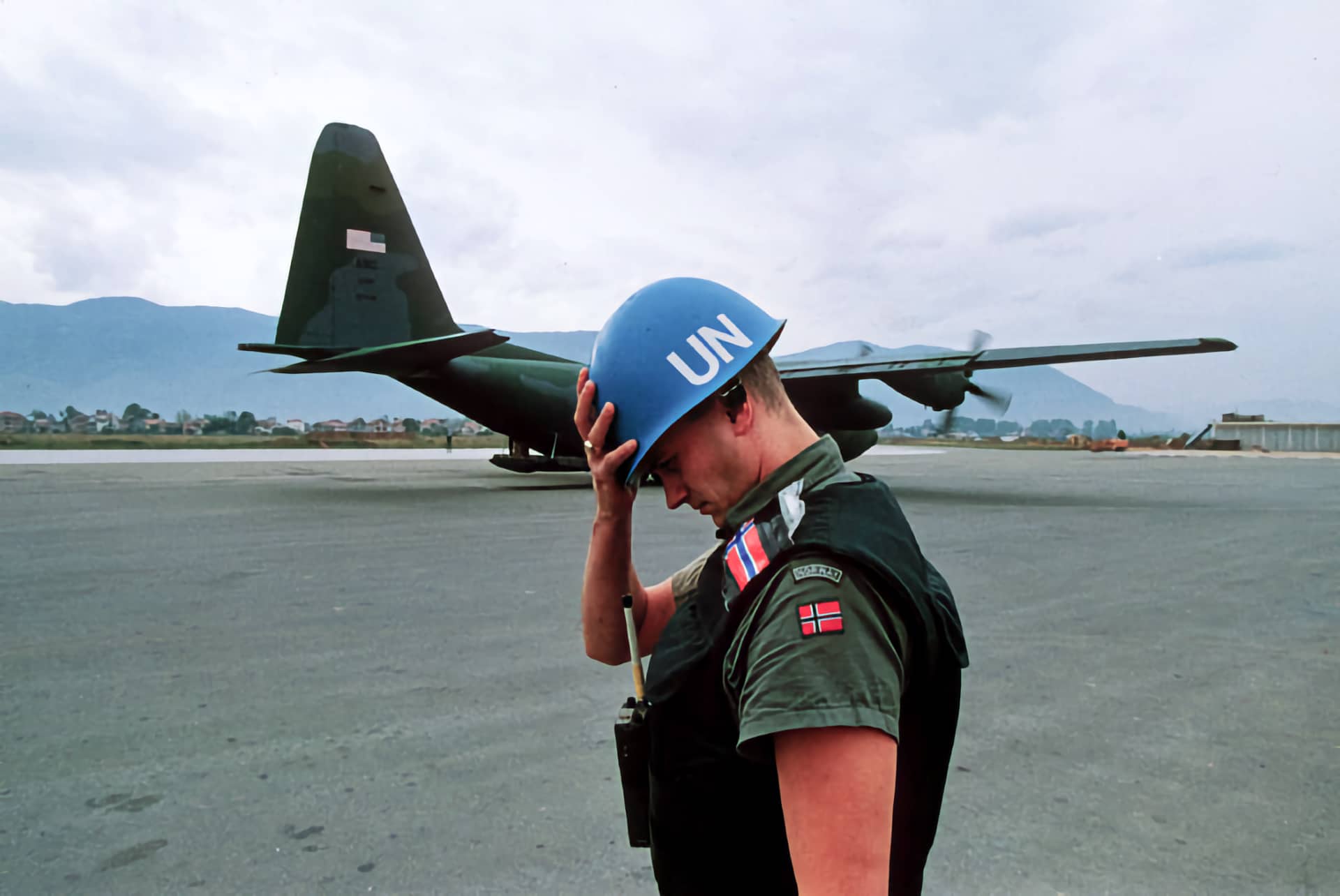
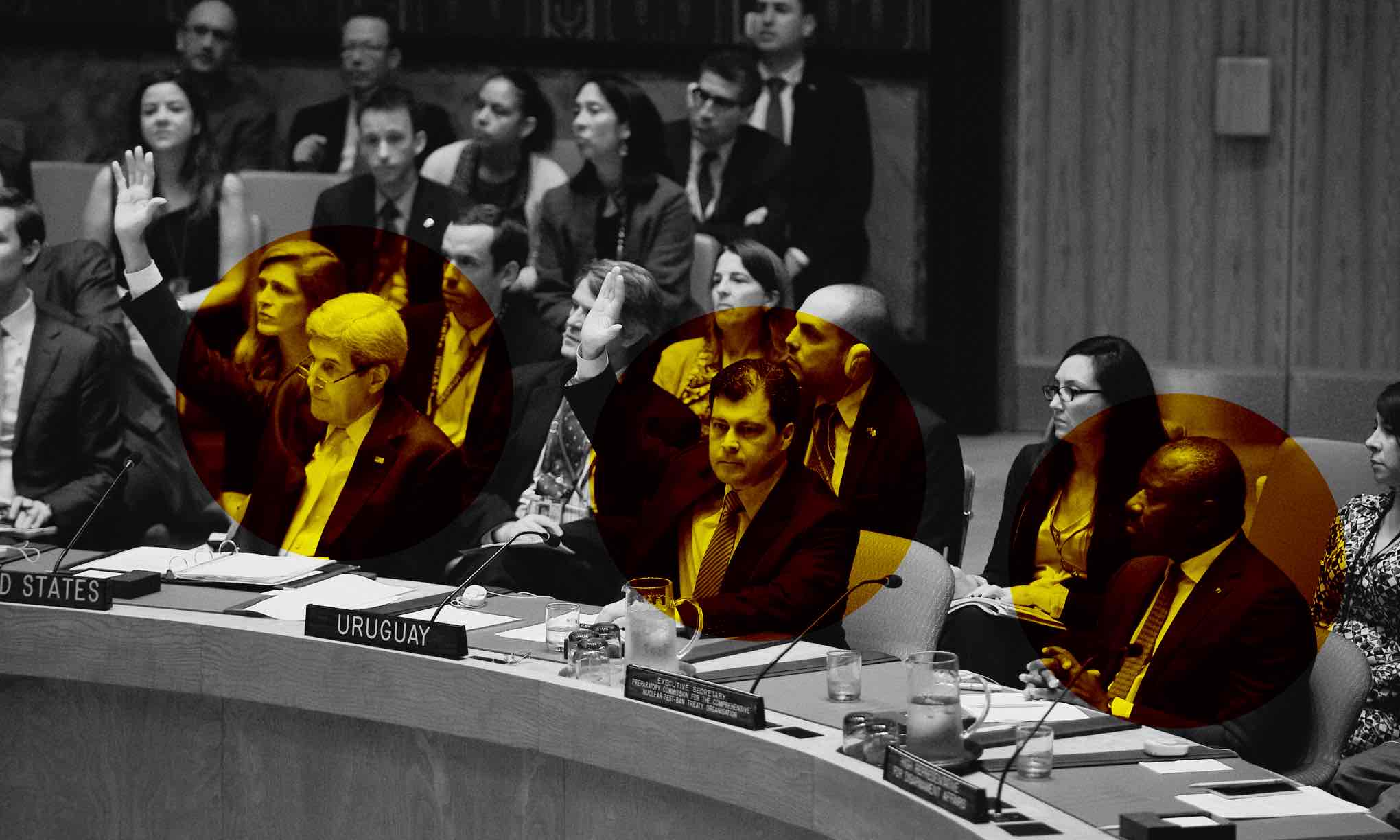
To sustain such aggression abroad requires a strategy of division in our societies. When its actions become indefensible, the empire’s defenders pivot, deliberately fomenting racism and Islamophobia to fracture domestic solidarity and distract from the crime in progress. This impunity is enshrined in the very architecture of global governance. The United Nations Security Council, designed for a world that no longer exists, now functions to shield the powerful from accountability, holding the concept of collective security hostage. The result is a perversion of its founding mission, where peacekeeping operations in Congo and Haiti become the armed enforcers of foreign resource extraction, leaving behind cholera and abuse in place of peace.
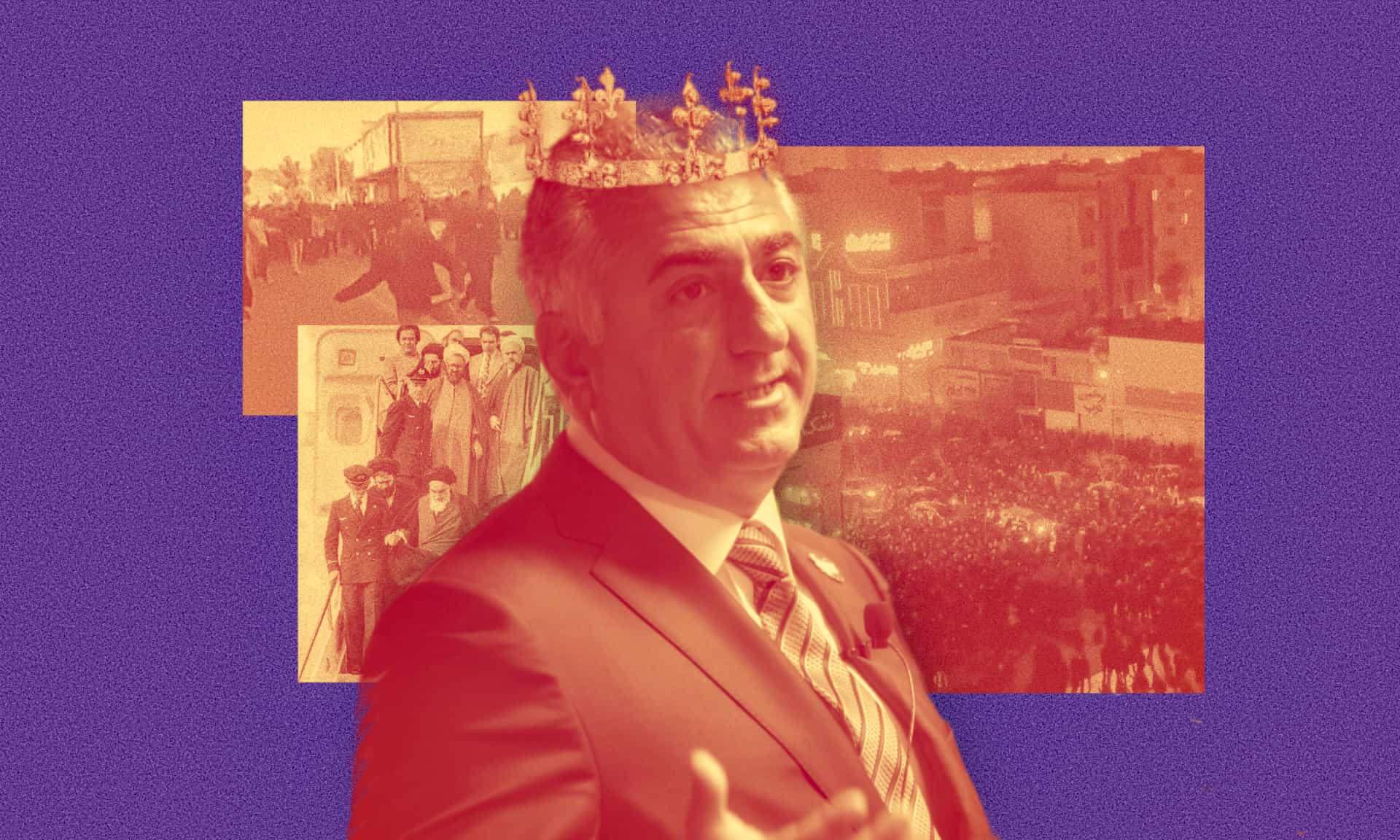
This hollowing out of sovereignty is not limited to international bodies; it plays out with devastating consequences within nations caught in the crossfire. In Iran, a state born from a promise of independence now presides over a landscape of social exhaustion. Decades of sanctions from without and authoritarian mismanagement from within have fused, creating a crisis that leaves society trapped between the failures of a theocracy and a dangerous nostalgia for a monarchist past. The deeper problem, as we explore, lies in a political order that has left its people with no democratic means to shape their own future.
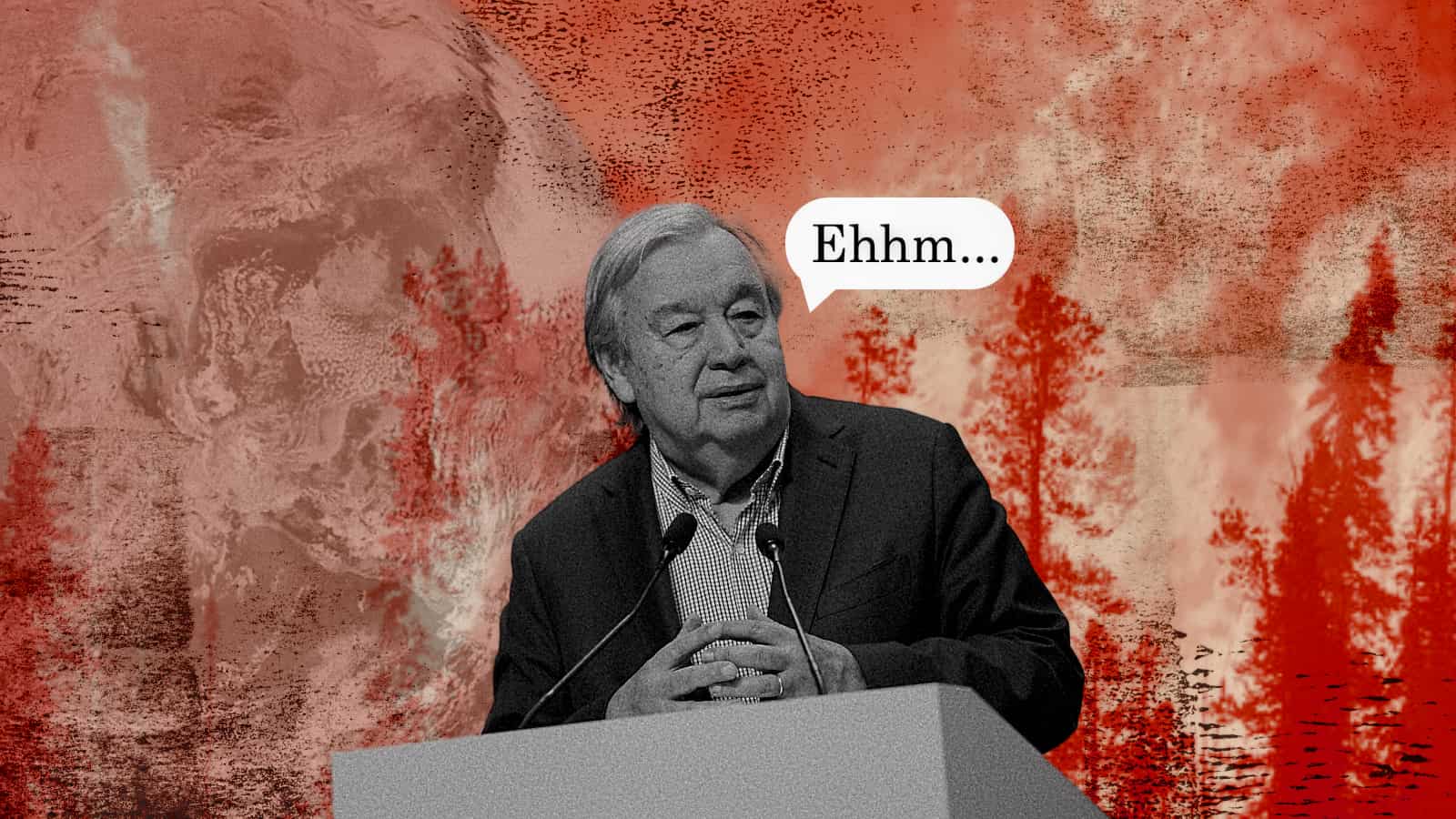
This political foreclosure has a brutal human cost. In the world’s zones of violent extraction and total neglect. In South Darfur, the collapse of maternal healthcare unfolds as a quiet catastrophe, a crisis of malnutrition and death abandoned by the world’s attention. The same calculated indifference extends to the planet itself. The recent climate summit was a minacious charade, a corporate marketing exercise that demonstrated a global order incapable of confronting its own self-destruction. And the consequences of this logic are being written not just in our atmosphere, but in the very ground beneath our cities, where urban heat is subtly altering the stresses on the world’s faults.
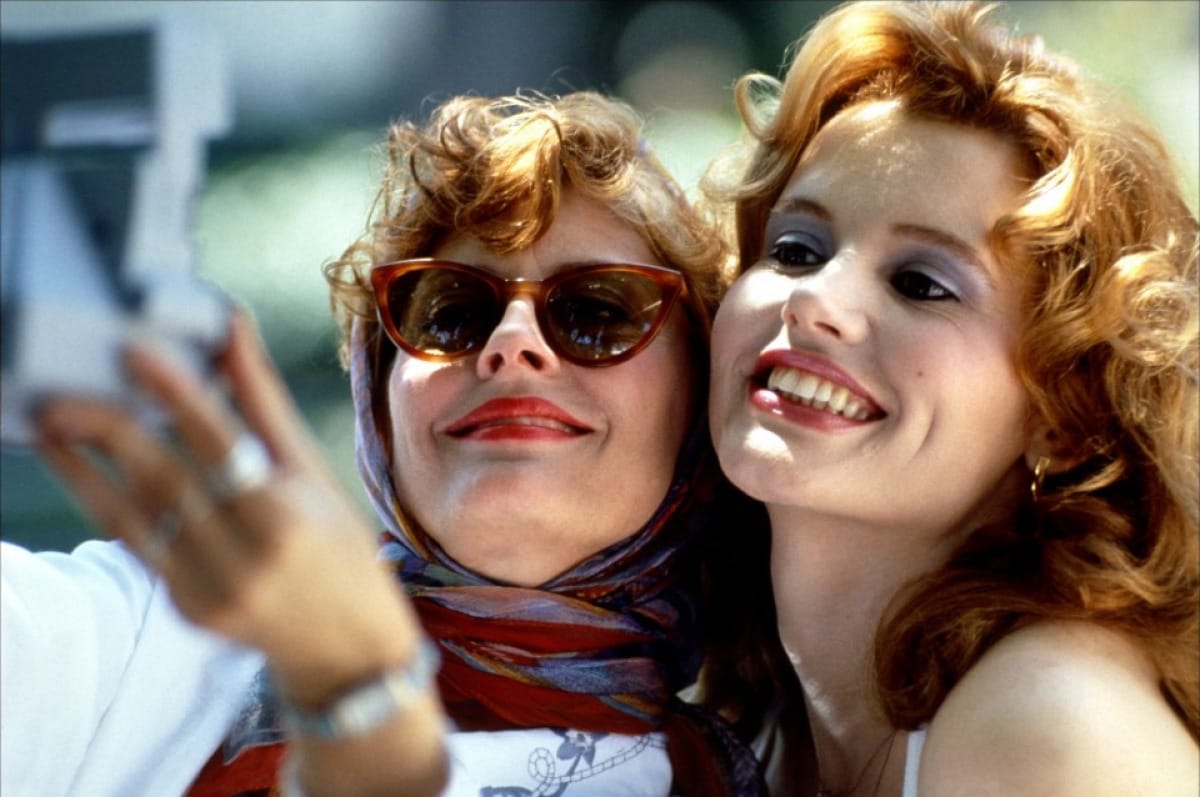
In our culture section, we look at a strange portrayal of love. Mainstream cinema has long enforced a brutal code where women who choose each other must also choose death, a coded violence that calls a dead end a happy ending.
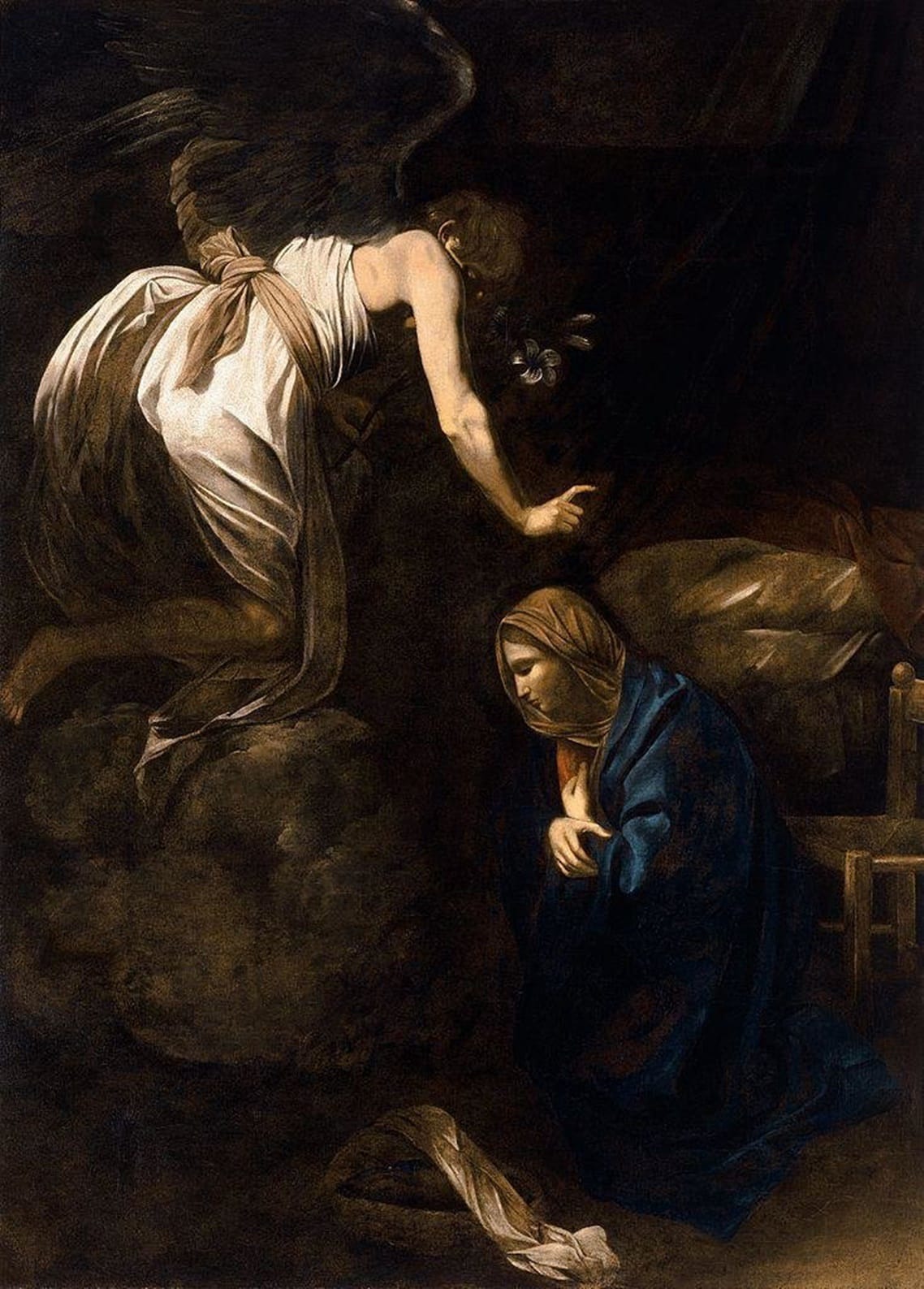
In our art column we once again look at another work of Caravaggio’s. His late work Annunciation turns from the dramatic spectacle of his youth to a softer, more introspective spirituality—a move away from public judgement toward a private, divine promise.
We hope you enjoy this issue of The Gordian. If you value our work please consider a small, regular donation. It helps us do more of what we do, and do it better.
Ariana Yekrangi
Editor of the Gordian and co-Founder of UN-aligned ry