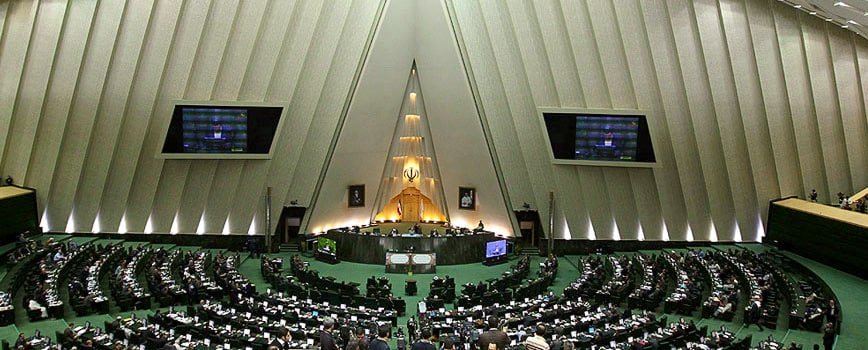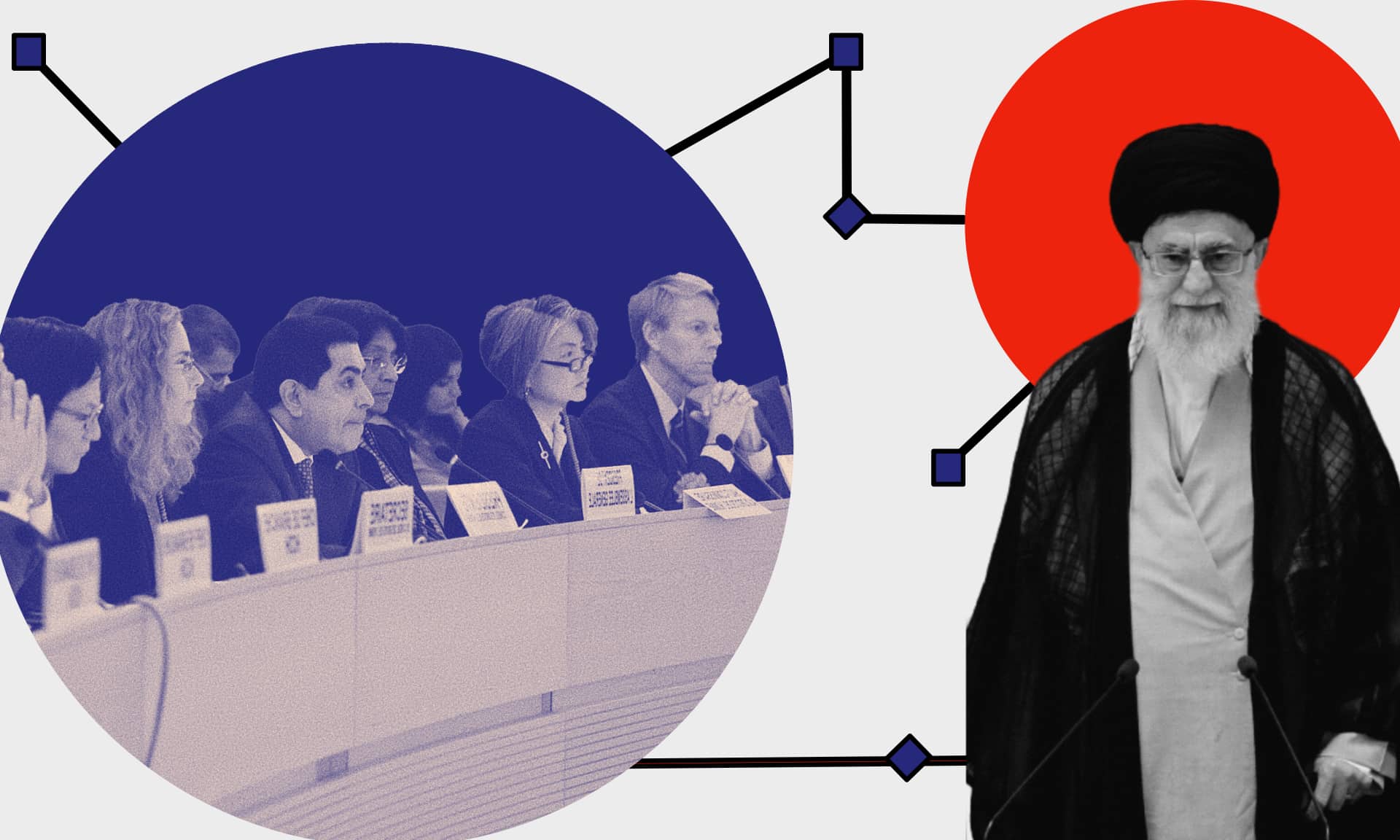
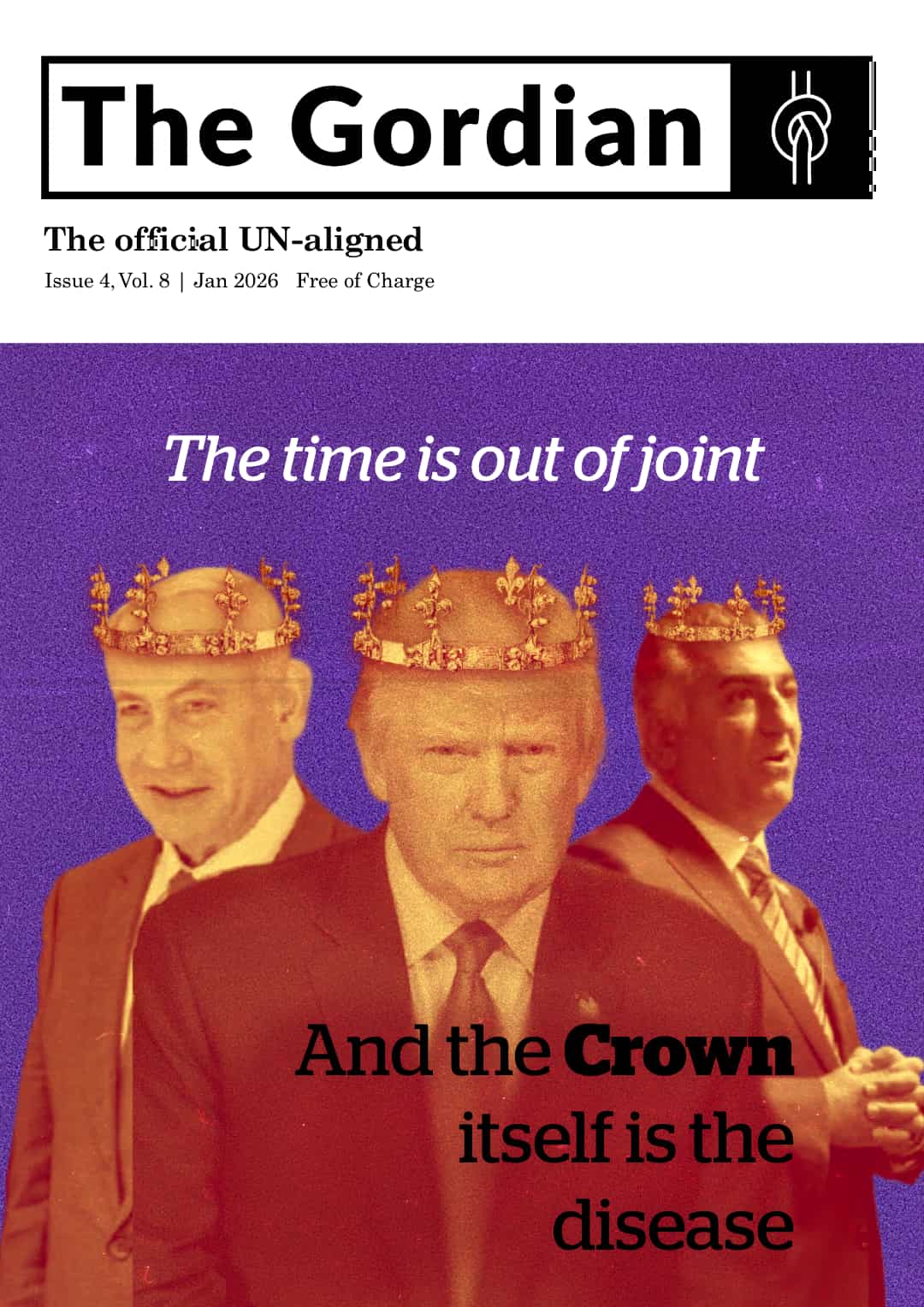
While the inaugural Board of Peace meeting in Washington garners the limelight, it is the formidable arsenal of war Mr Trump has amassed in the Middle East that warrants scrutiny. This military accumulation suggests a coercive undercurrent to the stately pace of negotiations with Tehran. Reports from well-connected journalists suggest the American administration viewed recent talks in Geneva as insubstantial, fuelling speculation that a full-scale offensive is closer than the public realises. Such chatter has predictably agitated oil markets and prompted the Iranian diplomatic corps to insist they are not merely playing for time, even as Mr Trump hints at a decision within the fortnight.
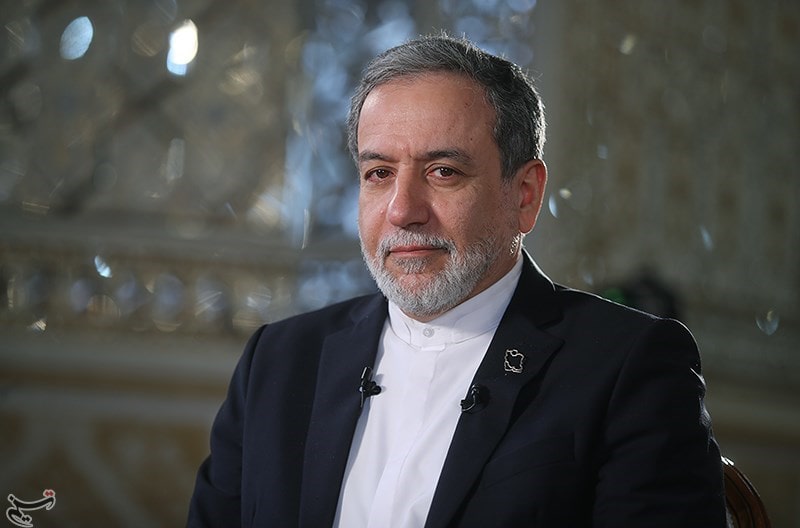
Tehran maintains a posture of misunderstood cooperation, rejecting claims of stalling. The Iranian foreign ministry contends that proceedings in Geneva were curtailed not by their own intransigence, but by the sudden departure of American envoys Mr Witkoff and Mr Kushner for separate dealings regarding Ukraine. Concurrently, Mr Araghchi, the Iranian foreign minister, has engaged with the International Atomic Energy Agency to outline verification protocols for diluting a 400kg uranium stockpile, currently enriched to a weapons-grade-adjacent 60 per cent. Mr Grossi, the nuclear watchdog’s chief, strikes a note of cautious optimism regarding these overtures, though he concedes the path to an agreement remains labyrinthine.
The contours of a potential accord are visible through the diplomatic fog. Tehran proposes a five-year suspension of domestic enrichment and a reduction of its high-grade stockpile to low-enriched levels, a concession grounded in the reality of its existing centrifuge capacity. In exchange, the regime demands the repatriation of frozen assets and the lifting of crippling sanctions on banking and oil exports. It is a gamble on economic partnership modelled loosely on Ukrainian proposals, yet it relies on a precarious assumption: that the arsenal Mr Trump has positioned is merely for show rather than for use.