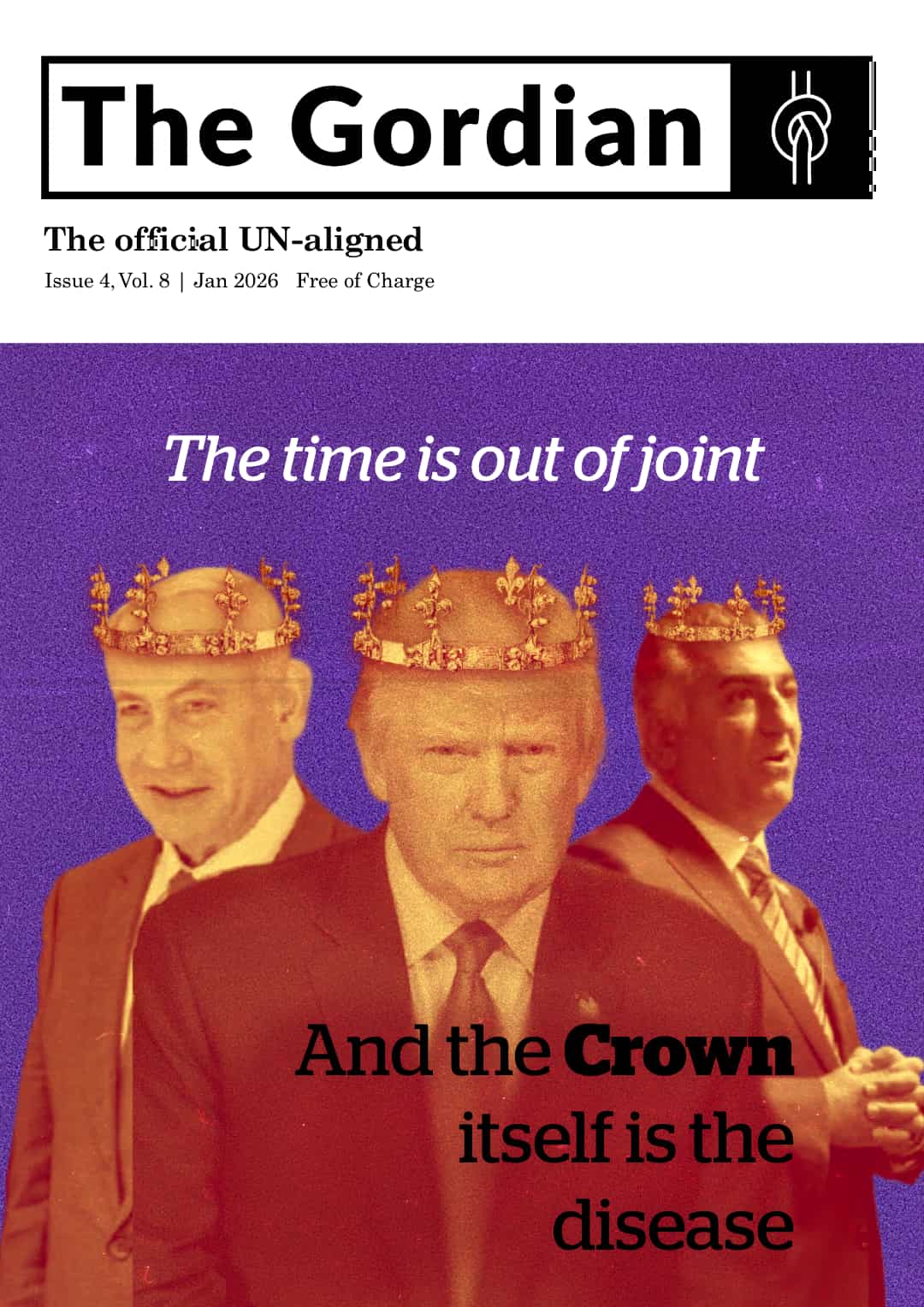
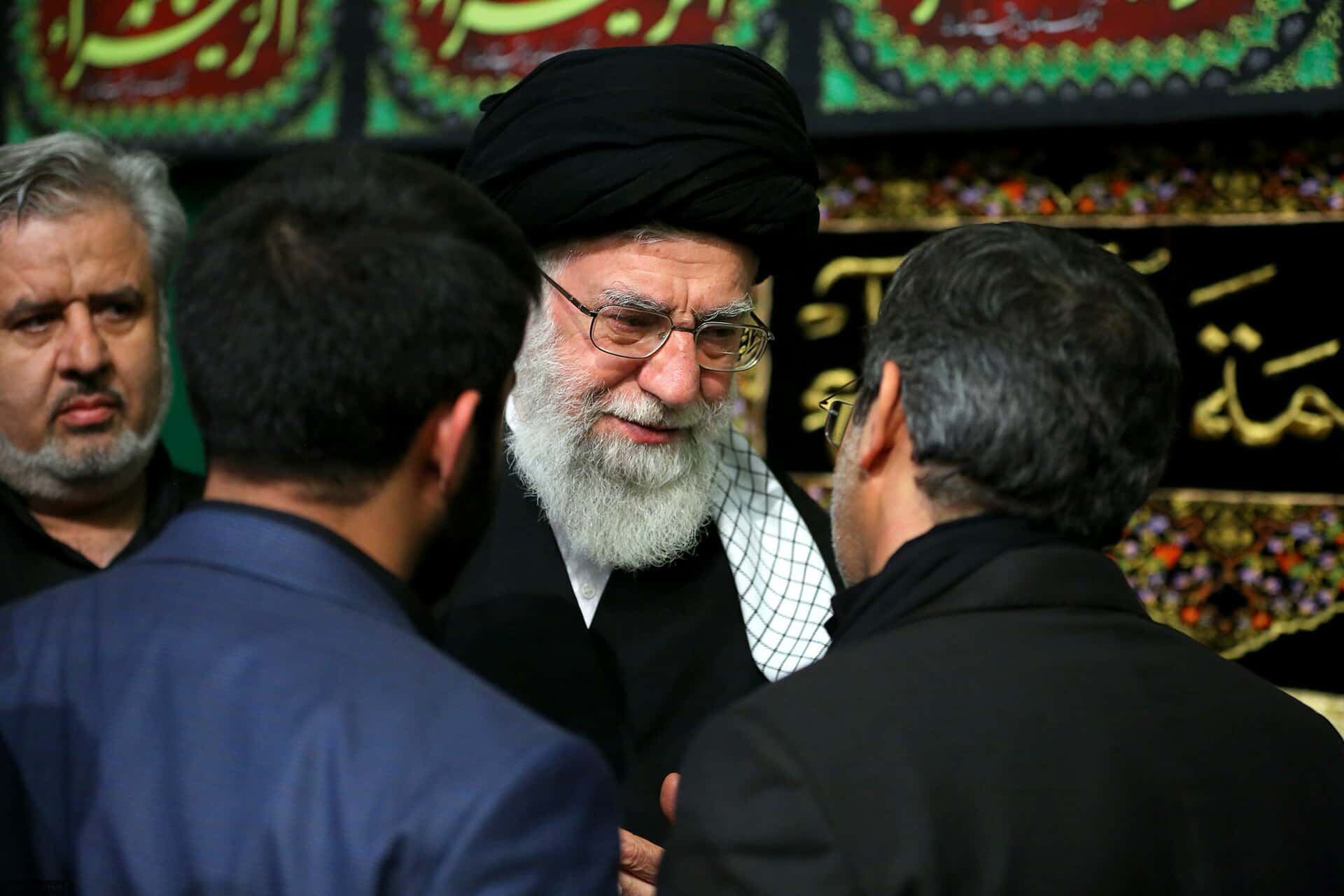
The extrajudicial assassination of Ali Khamenei by American and Israeli forces constitutes a flagrant violation of international sovereignty, marking yet another illegal military intervention orchestrated by Washington and its regional proxy.
During the 12-day-war last June, the American president cliamed to have spared the supreme leader even as strikes destroyed civilian and nuclear infrastructure. That restraint has now reportedly given way to a coordinated strike that killed Khamenei along with senior figures in the Islamic Revolutionary Guard Corps.
Iran now faces the prospect of instability, with a population of more than ninety million suddenly deprived of its central authority. Mr. Trump celebrated the killing on social media, declaring: “One of the most evil people in history is dead.”
Despite Khamenei’s death, the political system of the Islamic Republic may endure. The Iranian constitution provides that a transitional council—the president, chief justice and a senior cleric—oversees the selection of a successor, though it is unclear whether these officials survived the strikes.
The Revolutionary Guard, whose job is to protect the political system of the Islamic Republic of Iran, has long been a central power in Tehran and may maintain continuity despite losing commanders. As Trita Parsi of the Quincy Institute notes, “this is a system—not a particularly popular system—but nevertheless one with a security establishment that is not dependent on a single person or a single family”.
However, the likelihood of a controlled transition is uncertain. Iran has already responded with missile attacks on Israeli targets and states hosting American forces, and has moved to close the Strait of Hormuz.
Tankers are already diverting from the route, which carries roughly a third of the world’s seaborne oil.
The American president says bombing will continue for “as long as necessary” to achieve “peace” in the Middle East. Yet removing the leadership of a sovereign state without a clear plan for the aftermath risks deepening regional instability and economic disruption.